 Natalie Smith
I’ve created a Lapland packing list for families – it definitely feels a bit intimidating the first time you pack for a winter getaway so it helps to have an idea of what you really need. The idea of -20°C can sound extreme, especially if you’re used to UK winters that rarely drop below zero. The reality is this: Lapland is absolutely manageable with the right layers. You don’t need specialist expedition gear – high street shops like Mountain Warehouse and Trespass have got you covered – but you do need to understand how to dress properly for Arctic conditions. The cold in Lapland is dry and predictable. With the correct clothing, it can actually feel more comfortable than a damp British winter – we preferred it to be honest!
If you don’t want to purchase all of the gear yourself, you can also look a hiring what you need – I’ll touch on that below and typical costs too. As well as clothing, I’ve added in a few extras that you’ll want to pack and some ways to save money too. Before you begin your shopping, let’s take a peak at what families genuinely need when travelling to Rovaniemi – here’s a quick summary and keeping reading for a detailed Lapland packing list…
- Base layers
- Mid layers (wool or polyester)
- Winter coat & ski trousers or snow suit
- Snow boots
- Thermal / woolen socks
- Hats, gloves or mittens & neck warmers
What should I wear in Lapland?
When temperatures drop to –20°C, layering is far more important than simply wearing the thickest coat you can find – you also want to be able to easily add / remove layers with temperature changes or when heading inside to warm up. You’ll find that shops, restaurants and buses are insanely well heated in Finland (they’re well prepared) – our Rovaniemi apartment was baking hot too. So, with this in mind, being able to remove your layers easily is really important. You’ll also be surprised at how warm you can get when you start dragging sledges up hills and, because it’s much drier than the UK, it doesn’t actually feel as cold as you’d imagine.
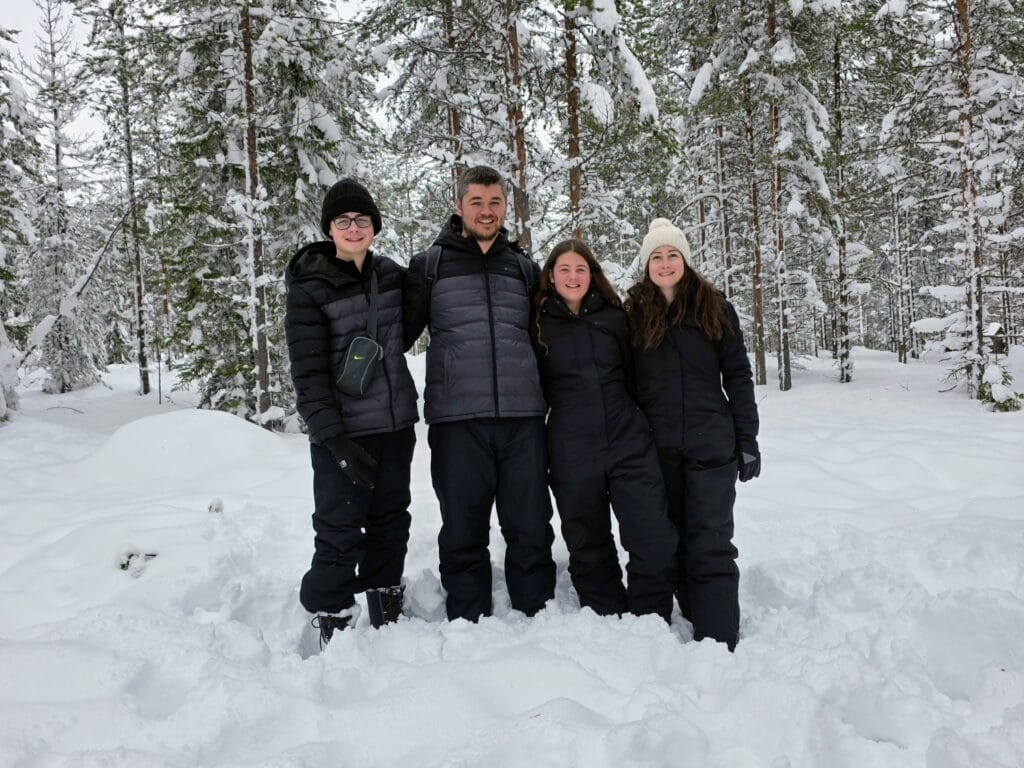
Both adults and children will need three main layers: A base layer to keep warmth in, a mid layer to insulate, and a waterproof and windproof outer layer. Make sure it really is waterproof – there’s nothing more fun than rolling around in the snow, seeing who can jump in the deepest bit and making snow angels – and with proper clothing you can have loads of fun without getting cold and wet. Here’s everything that you need to know about each layer:
1. Base Layers (thermals are essential)
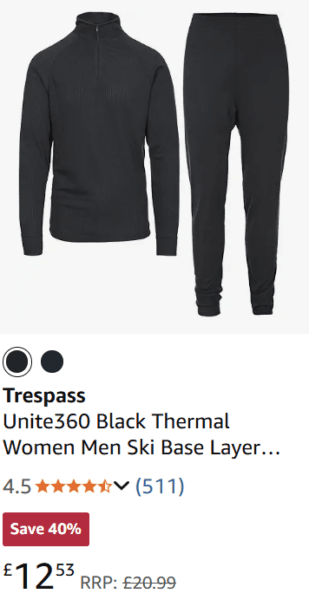
Thermal base layers are so important for a Lapland visit over the winter months. Each family member should have at least two sets of thermal tops and thermal leggings. Merino wool is excellent because it regulates temperature and stays warm even if slightly damp, but synthetic thermal sets (like polyester) also work well and are usually more affordable. (We went with cheap Trespass polyester sets and they were absolutely fine.) The main thing to remember is to avoid cotton as a base layer – cotton holds moisture and it’ll make you feel colder. Children will especially benefit from proper thermals because they’ll likely spend the most time playing in the snow.
2. Mid Layers (fleece or wool)
Over thermals, you need a proper insulating layer. Fleece jumpers, wool sweaters or insulated mid-layer jackets work well. For children, fleece zip-ups are practical because they’re easy to adjust indoors. On very cold days, some families might want to double up with both a fleece and a lightweight insulated jacket under their main coat – the aim is to trap warm air between layers. Joggers or thermal leggings are great for keeping your legs warm! We packed the fluffy mountain warehouse jumpers that we already had (100% polyester) – and I live in thermal leggings over the winter so I brought my usual ones. The kids and my husband packed jogging bottoms to act as a mid-layer.
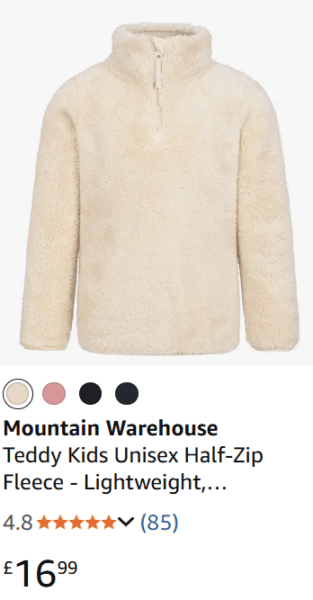
3. Winter Coats (insulated and windproof)
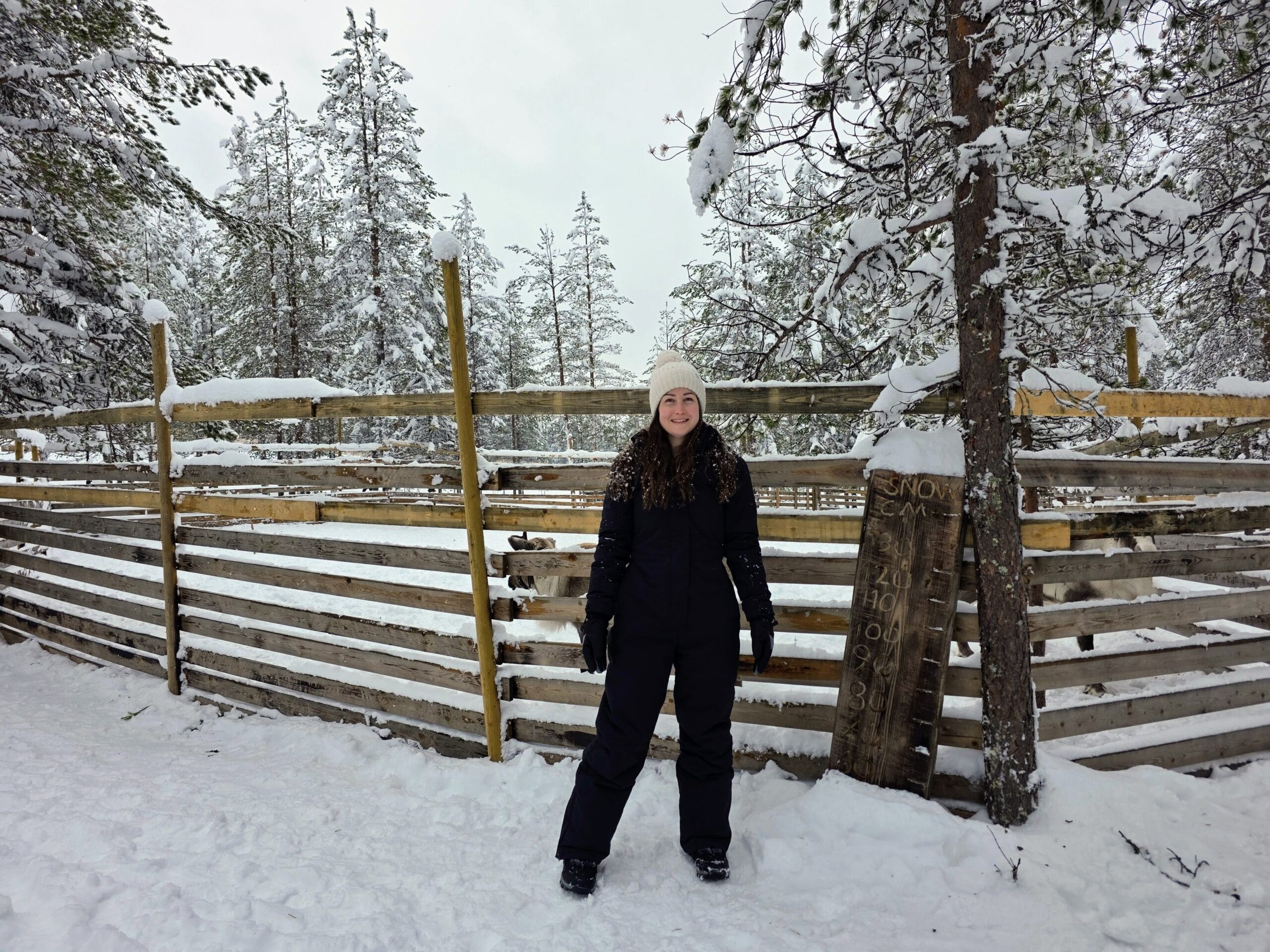
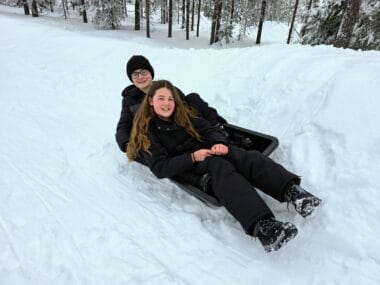
A proper insulated winter coat is essential – it should be windproof, water-resistant and long enough to protect the lower back. If you’re going to invest in anything, your top layer is the most important. We live on the coast, and walk daily whatever the weather, so we already had thermal coats (down to -20℃) – you can buy some fabulous ones from places like Mountain Warehouse. (My husband’s and son’s coats were about £35 each in their last sale.) For my daughter and I, we bought the full snow suits after seeing them reduced to £65 – I actually loved mine it was so cosy!
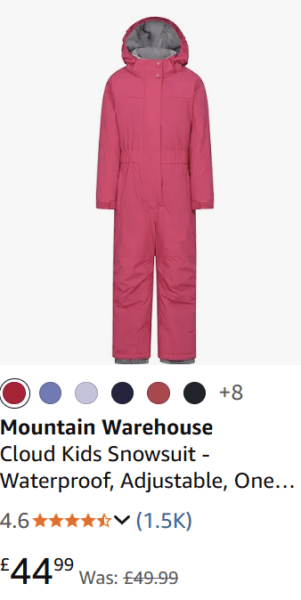
If you can find some affordable snow suits they’re definitely the best option for kids. It’ll keep them completely dry, even after they’ve been diving into the snow, and they’re extremely warm and comfortable. It’s also useful to know that you’ll typically be provided with thermal outer suits by the tour operators for organised activities in Lapland (like husky safaris and snowmobiling). However, you’ll still need warm coats for exploring the town, visiting the attractions and walking in the evenings. For your top half, a ski jacket is usually sufficient if layered correctly underneath.
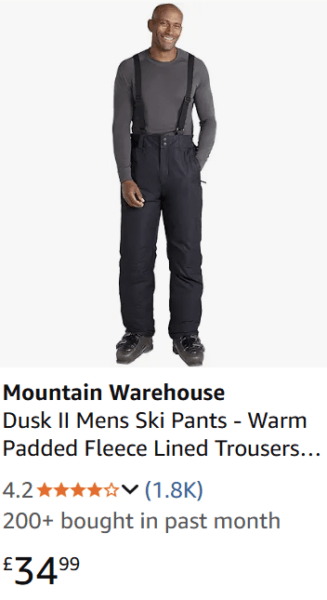
4. Snow Trousers or Ski Pants
This is the item many first-time visitors underestimate. If you’re opting for coats instead of an all-in-one you’ll also need ski / snow trousers. Snow trousers are extremely important, especially for children. Sitting on sleds, kneeling in snow and playing outdoors will quickly soak normal trousers. Even for adults, ski trousers are strongly recommended if you plan to sled, snowmobile or spend extended time outdoors. For children, packing ski trousers or an all-in-one snow suit covering their whole body (waterproof and insulated!) is essential.
5. Snow Boots (the most important item)
Footwear likely matters more than almost anything else – it should be at the top of your Lapland packing list. You need insulated winter boots with thick soles and good grip – the sole insulation is critical because cold travels up from frozen ground. Look for boots rated for sub-zero temperatures. They don’t need to be expensive designer brands, but they must be properly insulated and waterproof – normal walking boots aren’t enough for –20°C conditions. I absolutely love my snow boots – as someone with Raynauds and Chilblains my hands and feet were a big worry before our trip but I had no issues at all.
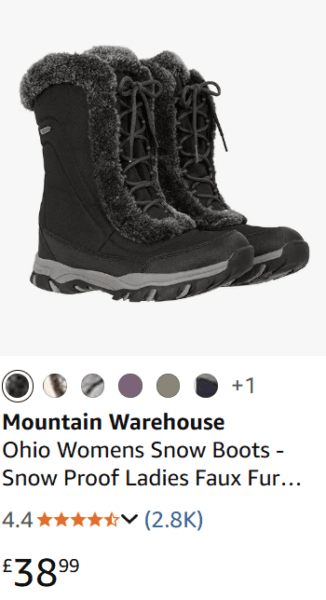
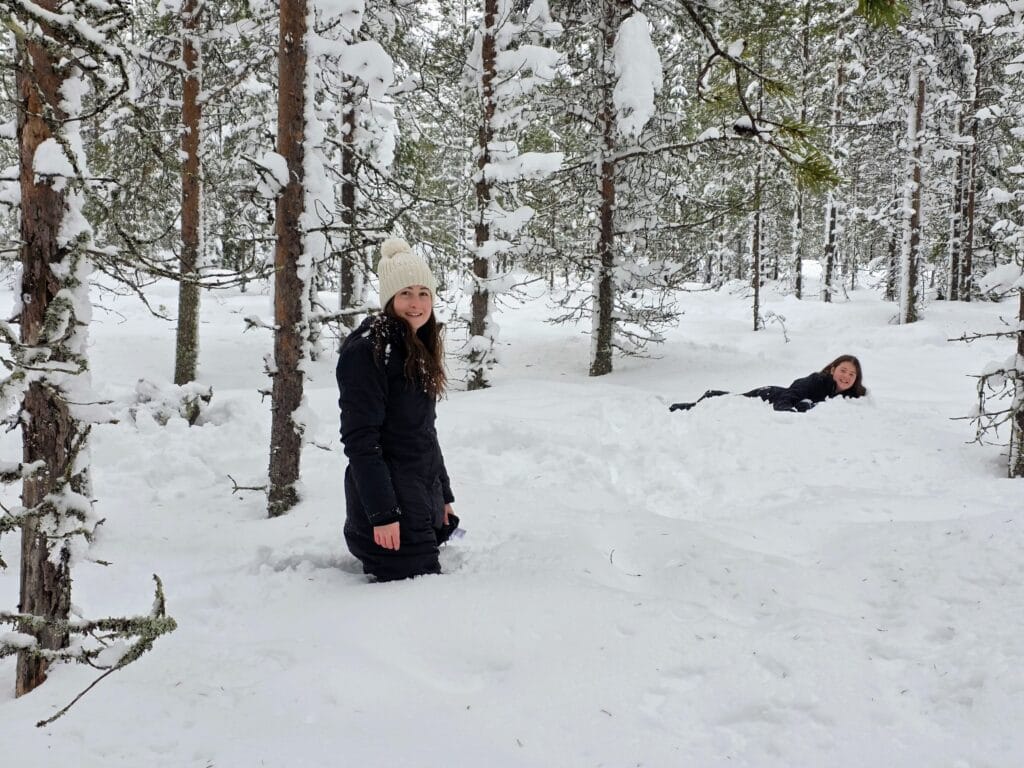
We bought our snow boots in the sale for around £30-£35 each and they were absolutely brilliant – I wasn’t cold once. Buy a size up if needed to accommodate your socks underneath. Thermal socks can be bulky and you might even want to double up and wear two pairs if you’re visiting Lapland over the really cold months. Picking a taller boot can be handy too – despite pulling your overalls down over the top, thick snow may otherwise work it’s way inside your shoes. We all had mid-calf boots besides my daughter who wanted the smaller ones (all based on appearance – typical 13 year old! 😂) and she was the only one who got any snow in her shoes. The snow was almost up to my bottom in the forest at Lapland Winter Park and I was still warm, dry and snow-free!
Socks (thick but not too tight)
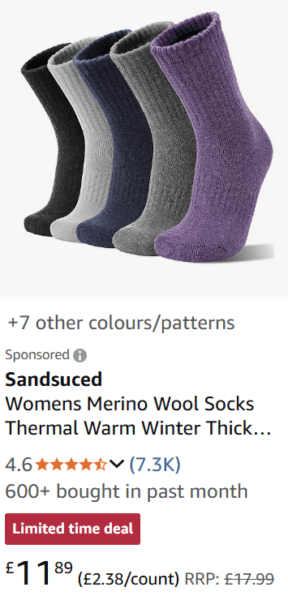
Thick wool or thermal socks are ideal. It’s better to wear one good pair than multiple tight layers that restrict circulation as it’s the circulation that keeps your feet warm. Boots should have room to allow air to circulate inside – as I mentioned above sizing up can be handy. Bringing a few spare pairs of socks is wise in case snow gets inside boots – especially for kids rolling around in it. We used a mixture of normal thermal socks and Heat Holders – I live in them over the winter months anyway!
Hats, Gloves and Neck Warmers
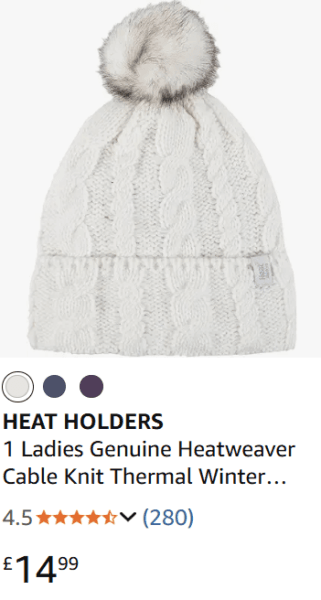
Heat escapes quickly from the head and hands. Each person should have a warm hat that covers the ears, insulated waterproof gloves or mittens and a neck warmer or scarf. For children, mittens are usually warmer than gloves because the fingers share heat. It’s also worth packing spare gloves for children in case one pair gets wet. We bought Heat Holders hats in the Sainsburys sale (reduced to about £4 each in spring) and they were absolutely fabulous. I love the Heat Holders gloves too for the UK winter, but you do need proper waterproof ski gloves for a Lapland adventure. Under gloves can be really handy too – layers will keep you warmest in low temperatures – plus for taking photos you can buy touch screen ones so (when you slip your ski gloves off) your hands aren’t completely exposed to the cold.
Extra items that make a big difference
A few small additions to your Lapland packing list will significantly improve your comfort – especially for families for travelling with kids. I think it’s better to overpack slightly than be cold and without what you need once you’re there. (Most of these things are also typically cheaper in the UK than in Finland so it’s wise to be prepared!)
- Hand warmers can be useful for younger children who feel the cold quickly – these are inexpensive and easy to pack.
- Ski goggles are not essential for walking around town, but they can help during snowmobiling or windy conditions. We didn’t need anything like this for our March visit but it could be something to consider for really low winter temperatures.
- Lip balm and moisturiser are surprisingly important. Arctic air is very dry and can quickly chap lips and skin.
- A small backpack is helpful for carrying extra layers, snacks and spare gloves / socks.
- A phone glove – you might want to keep your phone inside a spare thermal glove when you’re not taking photos as the extreme cold can drain the battery quickly.
- Sunglasses are also must. It might sound bonkers when the temperatures are so low (and it can look a bit weird combined with winter overalls and hats 😂) but on a sunny day the glare from the snow can be really strong.
- Torches are really handy to have – the light disappears quickly over the winter months in particular so packing a small torch in your pocket to avoid wasting your phone battery is useful. If, like us, you are doing some DIY aurora hunting at night then you’ll definitely want a couple of torches for exploring at night too!
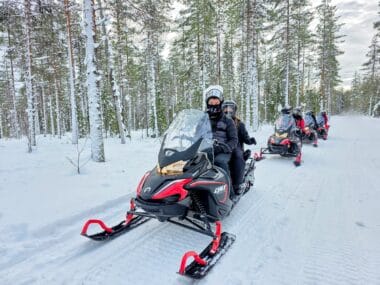
- Balaclavas can be handy in extreme temperatures. You’ll likely get given these for excursions like snowmobiling but if you’re looking at temperatures of –20°C and below you might want them for your own comfort when exploring too. This is particularly important if you’re travelling with little ones – you can get some really cosy ones to keep the kids warm if need be.
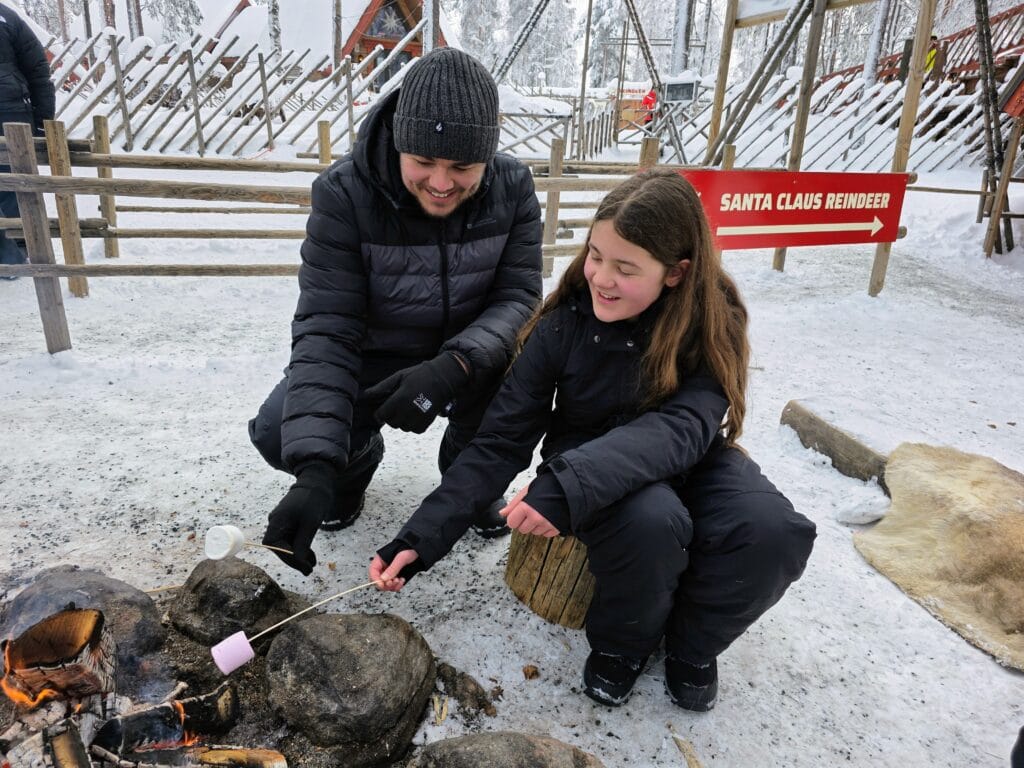
- Giant marshmallows, skewers and biscuits are 100% a Lapland essential! Don’t get ripped off spending a fortune on these at the local attractions – bring them from the UK and pop some into your backpack each day so you can make free s’mores with the kids.
- Refillable water bottles are always worth bringing so you can have a drink without spending out and, to beat the cold, you’ll likely want to pack a flask for making budget-friendly hot chocolates during your trip.
- A tripod might also a great addition to your day-to-day backpack so you can take photos of your whole family in the snow.
How can I save money on my Lapland packing list?
Hire your Lapland gear
If you think you won’t use any of the clothing again, or you have young children who it wouldn’t fit for long, then hiring the gear might work well. It also allows you to pack far less luggage to reduce costs there too. Because we’re looking to do more winter trips, and will use most of what we bought over the colder months at home anyway, it worked well to purchase what we needed. But, if you won’t use it again hiring might be a better option. Lapland clothing hire through Get Your Guide starts at around £40pp for one day, with each additional day adding around £15. This includes: a winter jacket, winter trousers, snow boots, mittens and a tube scarf.
Look for packages with clothing included
Some package holidays include all of the clothing for your trip so, if you’re not looking to DIY your Lapland trip, it could be worth looking for one that includes everything you need. Typically, you’ll collect the gear from a local provider on arrival but do make sure that you have an insulated coat for the trip – you’ll need some bits to stay warm until you can grab your snow suits.
Hunt out bargains
Purchasing your winter gear in later winter – early spring can be a great way to save money. We benefitted from the Mountain Warehouse sale (which also had an extra 20% off code), reduced bits from Sainsburys, Amazon bargains and cheap bits on M&M direct. Places like Vinted are fabulous too – my daughter and I get quite a lot of our clothing from there and it can be insanely cheap. Particularly if you’re shopping for kids, it could be a great spot to find some cheap snow gear. The budget supermarkets, like Aldi and Lidl, often have bits in their middle aisles over the winter months too.
Use what you’ve got
If you’ve got things like polyester tracksuits, teddy bear jumpers or thermal leggings at home already – they make the perfect mid-layers. You’ll likely already own things like warm hats too, so check what you’ve got before buying new. And, try to pick items that you might use again for the things that you do need to purchase. As I mentioned above, we all have thermal coats so (if you do need to buy some cold weather gear) why not pick something you can wear at home over the winter too? Particularly for families looking to travel to Lapland on a budget, making a list of what’ve you’ve got already will make packing for the arctic cheaper and easier.
When’s the best time to visit Rovaniemi with kids?
If your family’s dream is snow, sledding and meeting Santa in a proper winter setting, December through to March is the most reliable window – often in November there just isn’t enough snow so booking too early in the season can be a risk. If budget matters and you still want snow, January and March can offer better value than peak December. However, the temperature in January can drop as low as -30°C which can lead to cancelled excursions and intolerable outside conditions – particularly for those travelling with children.
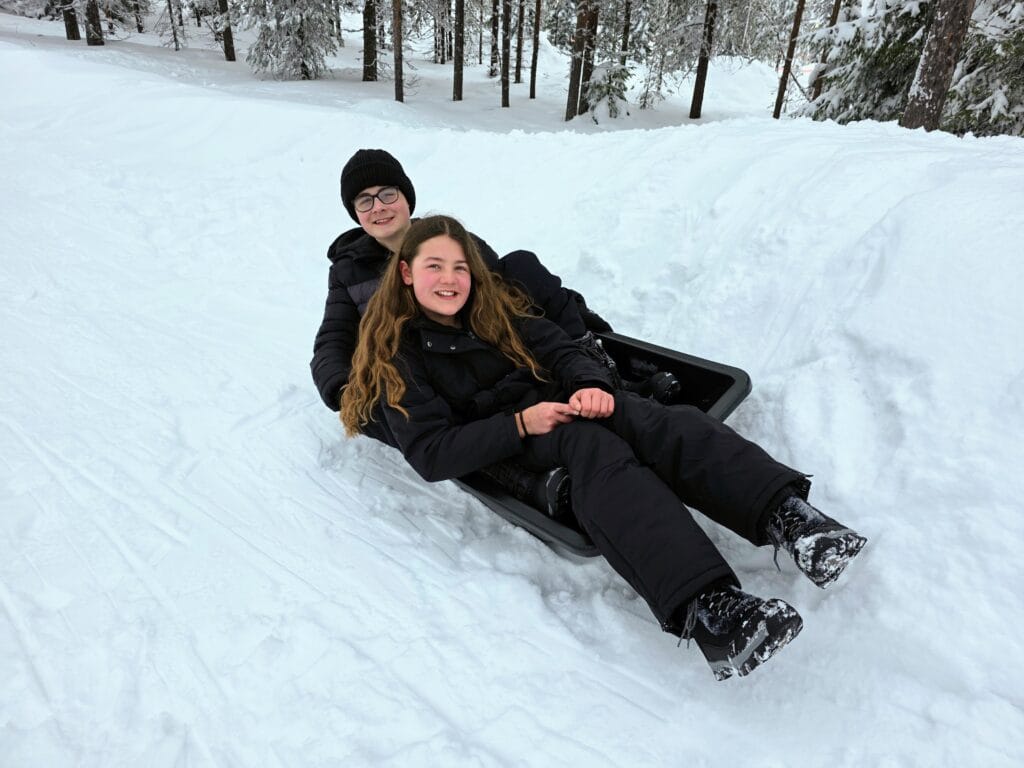
If you want to avoid the extreme cold, late February – early March will likely offer the perfect blend between snow and more manageable temperatures. By this time, there’s also a greater amount of daylight which is preferable for enjoying the activities and excursions on offer and it’s a fabulous time to see the Northern Lights. For the full “Lapland postcard” experience with children, travelling to Rovaniemi in late February – early March offers the best mix of snow reliability, manageable daylight, less crowds and more tolerable temperatures – I reckon it’s the perfect time to visit! We took our trip in early March and wound up not even needing our base layers. The temperature sat comfortably between -3°C and 0°C – so if you’d prefer not to travel when it’s really cold then early spring is a fabulous time to visit.
What –20°C actually feels like
Dry cold feels different to damp cold, so the Lapland temperatures don’t feel as cold as the equivalent would do in the UK. Having said that, we obviously don’t experience temperatures anywhere near as cold as those in Rovaniemi so making sure that you’ve got all of the packing list essentials for your Lapland adventure is extremely important. But at –20°C in still air, if you’re layered properly, you can feel surprisingly comfortable while moving around. Standing still for long periods feels colder, which is why good boots and insulated layers matter. Wind chill can make temperatures feel significantly lower, so windproof outer layers are important.
Final thoughts
Packing for Lapland doesn’t need to be stressful – follow my list of what to wear and make sure you’re prepared (for families who don’t want to visit in very low temperatures consider timing your visit appropriately too). Focus on thermals, insulation, waterproof outer layers and proper winter boots – there are plenty of shops selling it all and most of them sell on Amazon too so you can easily have it delivered in a flash. Layer everyone correctly and you’ll be able to enjoy snow play, sledding, Santa visits and evening Northern Lights hunts without discomfort. With the right preparation, –20°C isn’t something to fear – it’s simply part of the Arctic experience. And, if you’re worried the cold might be a bit much, then opt for a late February – early March break when things are likely to be more mild. We absolutely loved our trip! I’ve written tons of guides, so check out some of my other Lapland planning articles too:
Where to stay in Rovaniemi with kids – the best hotels, apartments & igloos
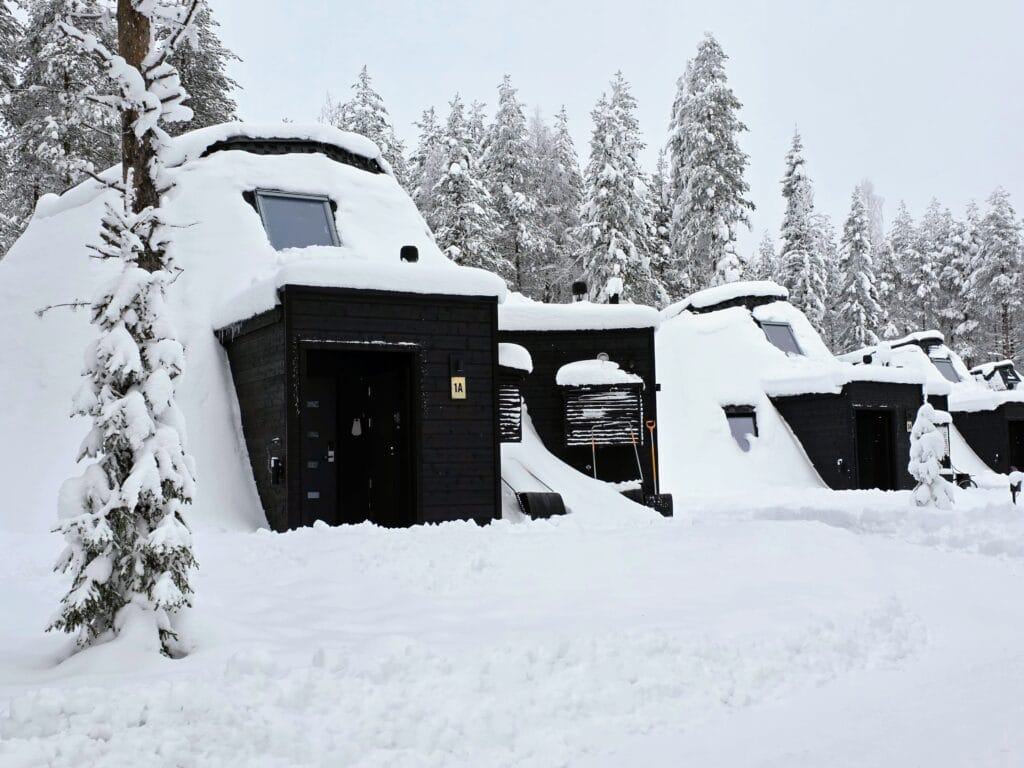
3 days in Rovaniemi with kids – the perfect family itinerary!
The 15 best things to do in Rovaniemi with kids
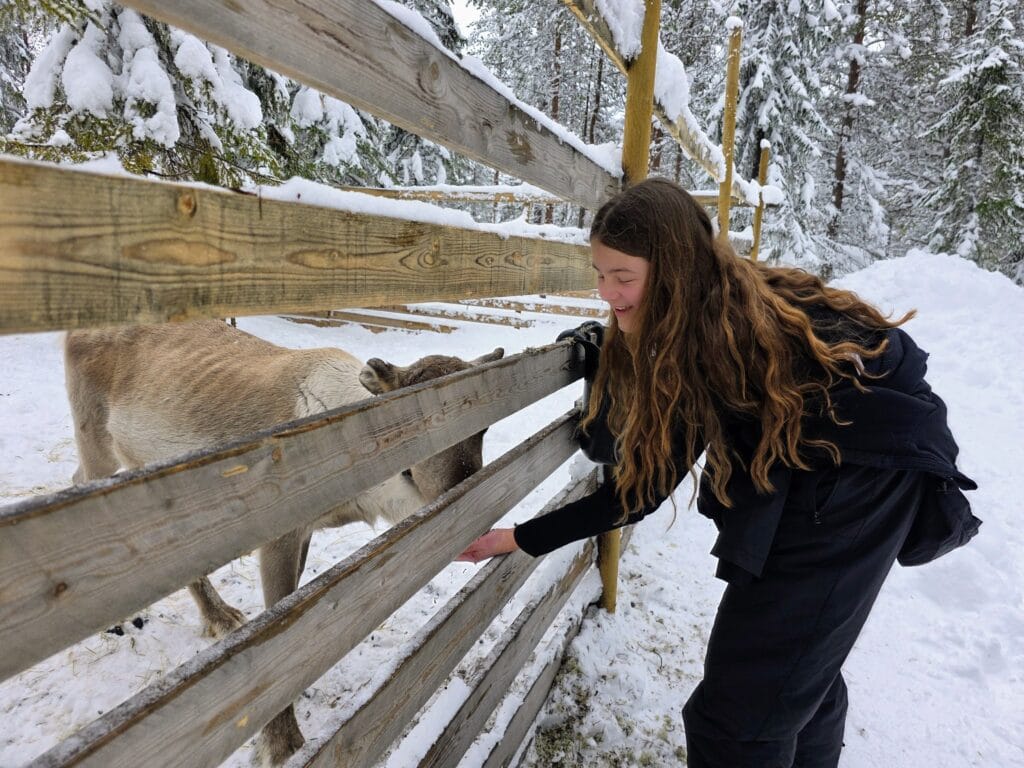
Where to eat in Rovaniemi with kids – family restaurant guide

How much does a Lapland trip cost for a family of four?
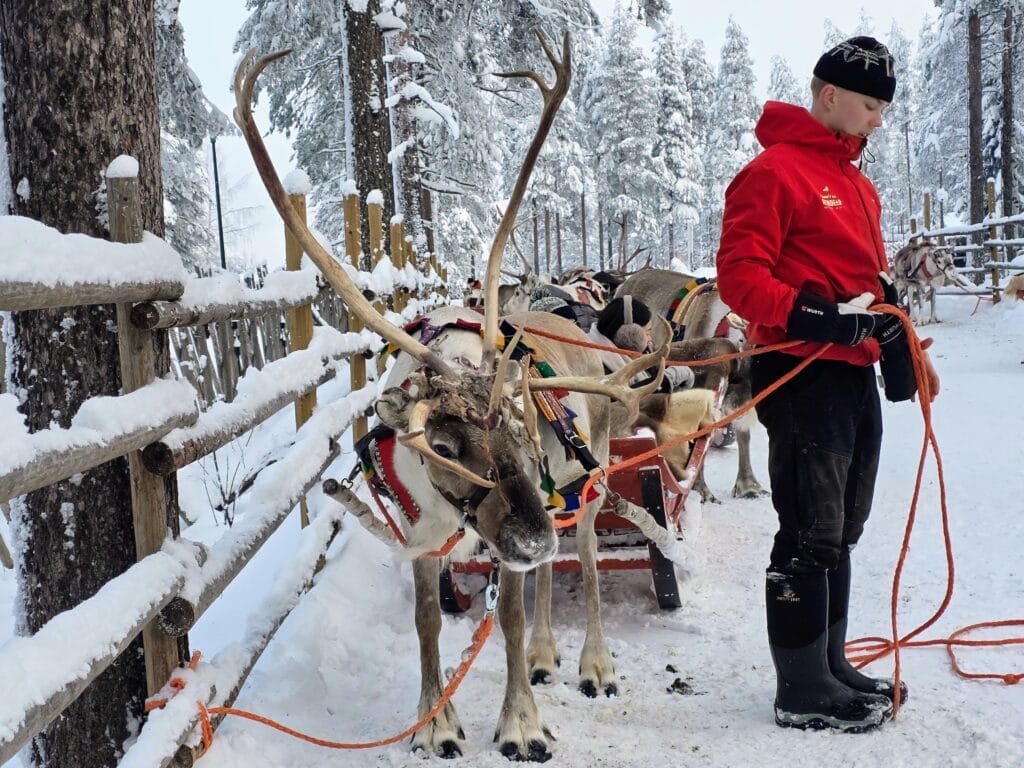
How to plan a DIY Lapland trip with kids – travel, excursions & saving money!

This post may contain affiliate links – I may earn a small commission at no additional cost to you.
Found this article useful?

 Natalie Smith