
 Natalie
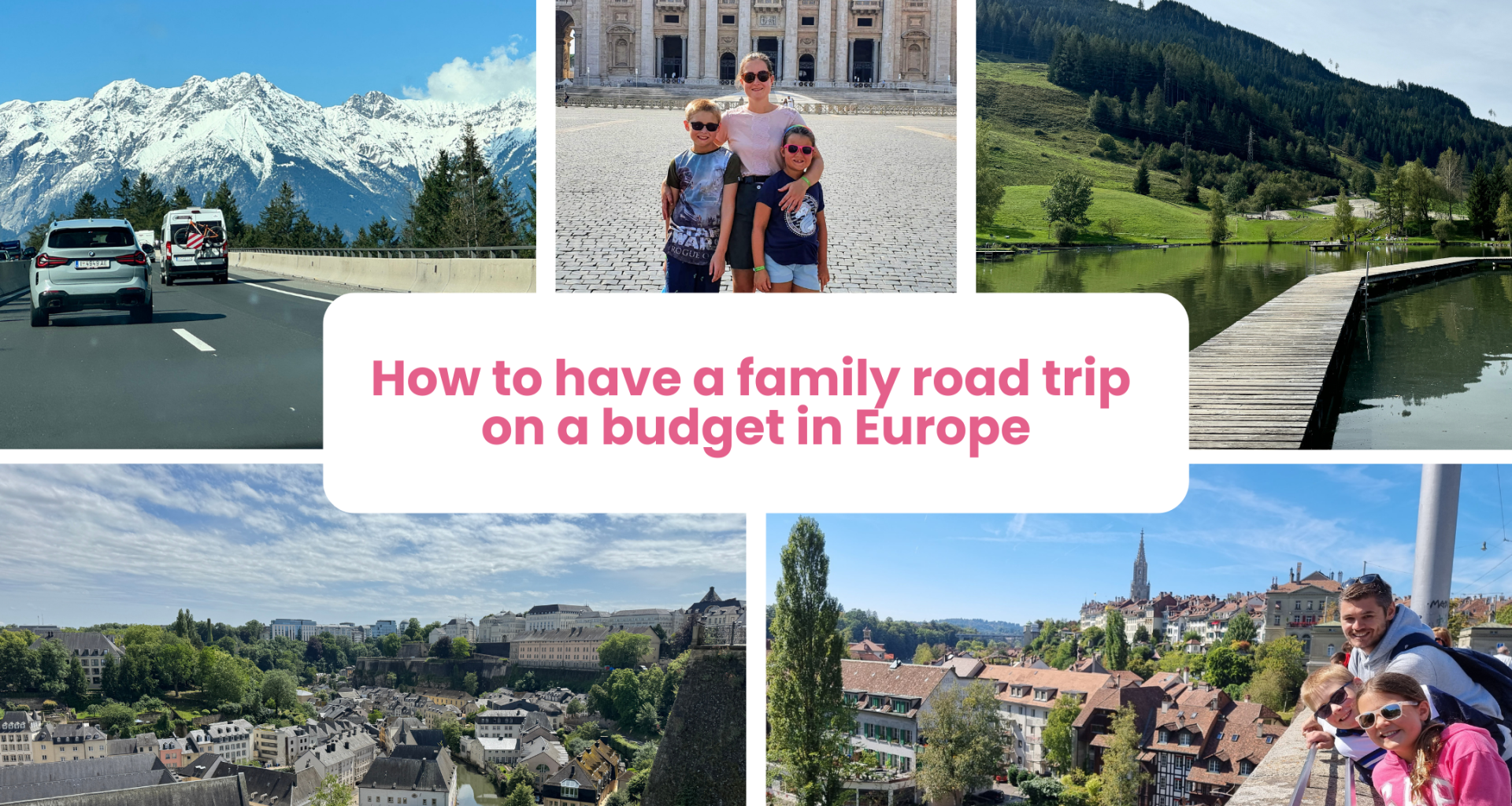
Fancy a budget family road trip in Europe? Welcome to my ultimate guide with everything that you need to know to have magical adventures with the kids without breaking the bank. Road trips are a brilliant way to explore, and we find it much cheaper than pricey flights (and everything else that gets added on like luggage, transfers, airport parking etc!), so it’s a good way to have an affordable family holiday – especially if you’re travelling at peak times like the school summer holidays. Plus, they’re just blooming good fun, and the ultimate way to explore mainland Europe – which we’re so fortunate to have on our doorstep from the UK! So, here’s how to have a family road trip with the kids on a budget in Europe:
1. Set your road trip budget
Before you start planning your adventure, think about what you’re able to spend on your European road trip and then take out the main factors to see how much spending money that will leave you. You’ll need to price up the big things like: accommodation, fuel, travel costs (ferry, tolls etc) and food. Then whatever’s left in the kitty is the spending money for excursions and days out. Thank goodness for the internet, it’s actually really easy to find toll costs and predict fuel usage nowadays and you’ll be able to find the cost of things you’d like to see and do too. Being organised and planning everything properly is the best way to keep your family road trip across Europe on budget.

2. Choose cheap accommodation throughout
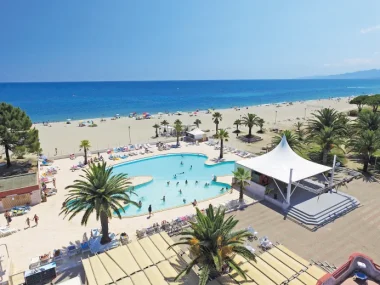
We keep our road trip costs down by staying in holiday homes on campsites, not only is it the best way to travel with kids (rather than the whole family being cooped up in a hotel room) it’s also much easier to get away on a budget. Be pragmatic – your accommodation is a place to sleep in between fun excursions and adventures. We’ve also learnt our lesson to book our stopovers in campsites too where possible. Take our June trip to the South of France for instance, it was cheaper to book a two night stay at a Eurocamp campsite on the way down (£93 for a 3 bedroom holiday home with a cool pool area!) than to book one night in a hotel nearby – we couldn’t find a room under £130 for 1 night!
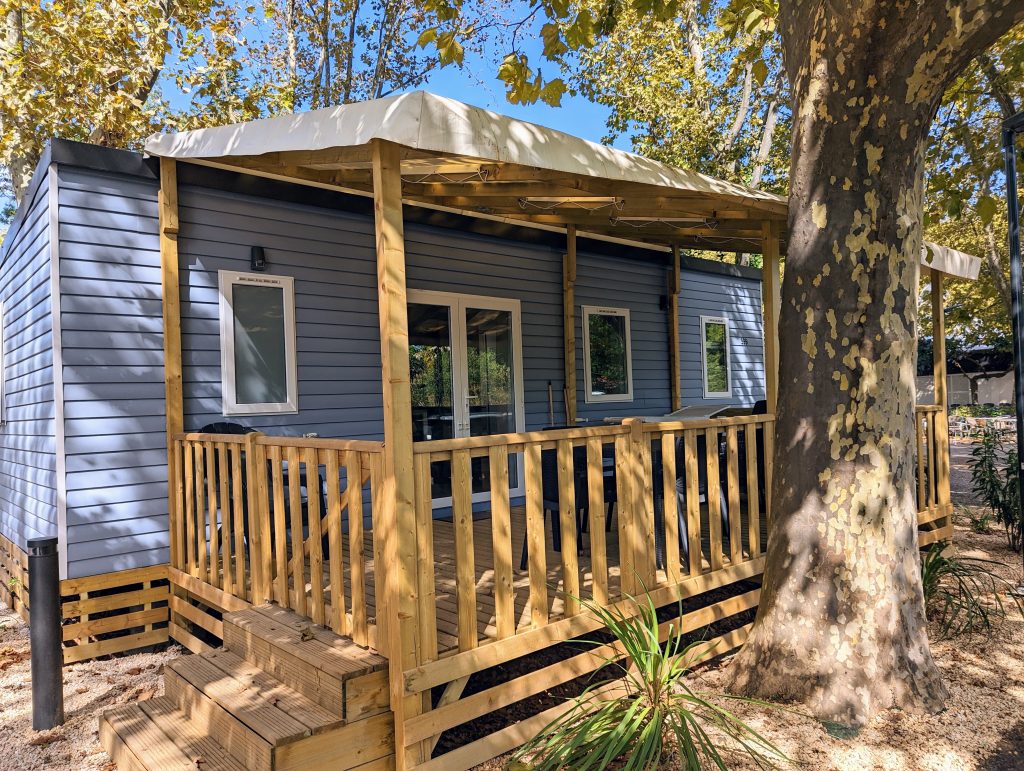
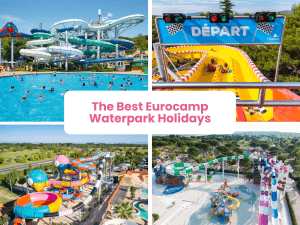
This September, we took a 3 week road trip around Germany, Austria and Italy and booked at least 4 days at each campsite to explore properly as we travelled, and in doing so we managed to avoid hotels completely by mapping out our route around those stops. (Averaging at just £56 a night!) We generally book our travels in Europe through Eurocamp – as it helps us to keep on budget – we’ve had some fantastic road trips hopping between their campsites, spending as little as £25 per night on family-friendly accommodation. And, they have such good pools, flumes and facilities for the kids that you can entertain them on a budget while you’re there as well!
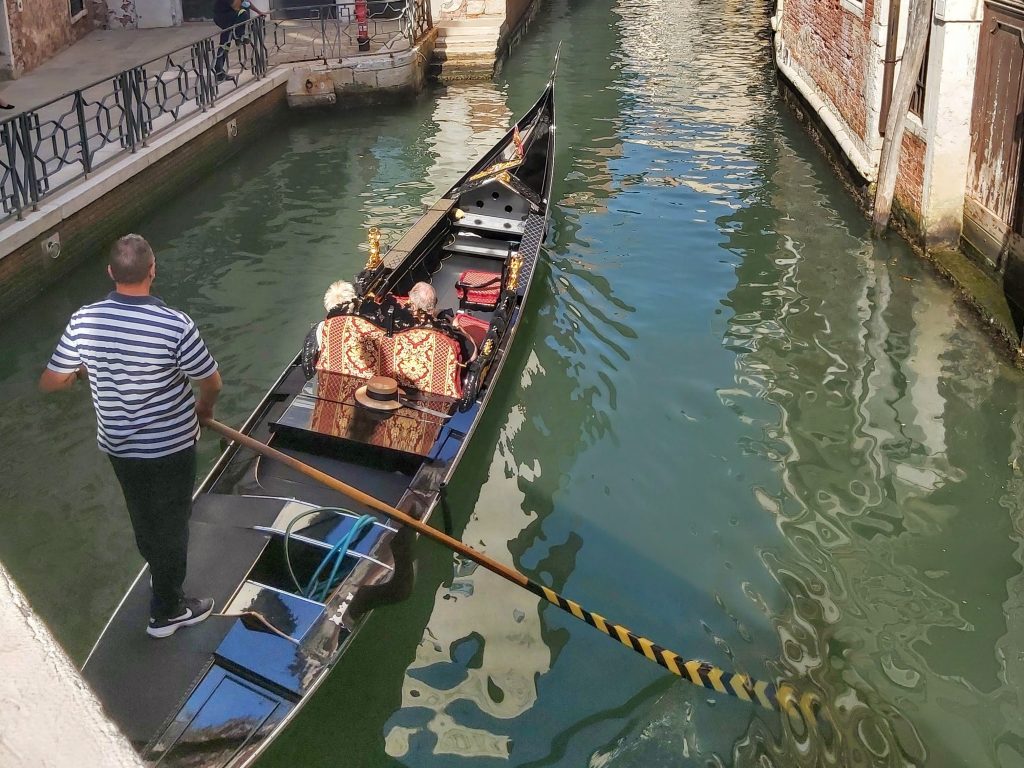
Loads of the Eurocamp campsites are so well located too – we’ve used them to visit cities like Rome, Venice and Amsterdam, Swiss mountains, waterfalls, beautiful beaches, lakes and theme parks. They also have great sales and run offers like free ferry travel or loyalty discounts – so it’s certainly worth a look if you’re looking for a budget European getaway! We’ve stayed at Eurocamp campsites across France, Italy, Switzerland, Luxembourg, The Netherlands, Austria and Germany – with just Spain, Croatia, Portugal and Slovenia left to try! You can check out my campsite and resort reviews here: Frugal Mum Eurocamp Reviews. For everything that you need to know about Eurocamp holidays, and money saving tips, check out my article: The Ultimate Eurocamp Holiday Guide – and money saving tips!
We also had our first stay at a Landal Greenparks campsite this year, and we were also impressed with the family-friendly facilities and activities for the kids. They typically offer more nature based breaks and, like Eurocamp, they have holiday parks in Germany, Switzerland, The Netherlands and Austria. However, they also have campsites in Denmark, Belgium, the Czech Republic and the UK too – so between Eurocamp and Landal Greenparks you can pretty much explore most of mainland Europe on a budget if you’re looking for family-friendly accommodation along your road trip route.
3. Plan your route wisely
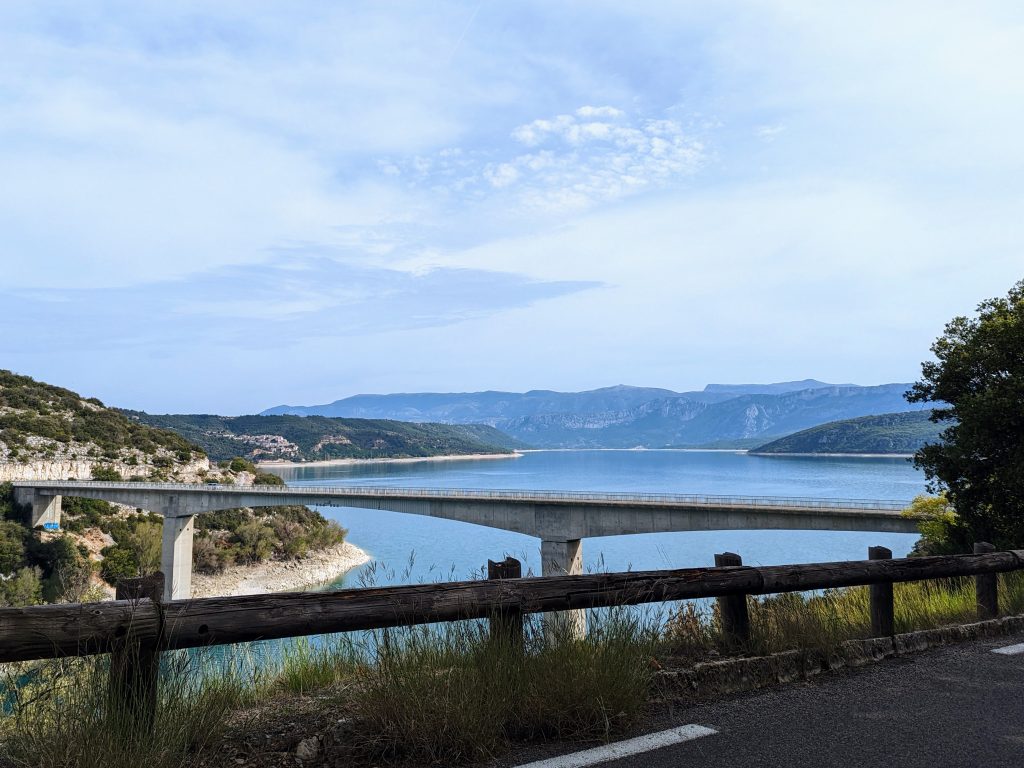
As well as planning your route around cheap accommodation options along the way, consider the impact that your journey will have on fuel costs and tolls etc. For instance, on our first road trip with the kids around Italy we drove through France to get there (there are lots of tolls within both France and Italy) so our toll costs came to £400. On our visit to Italy this year, we travelled through Germany and Austria – Germany’s roads are free for those travelling by car, and Austria has a 10 day vignette for €11.50. We then came into Italy through Austria, which was nearer to our end location at Union Lido, so we avoided lots of the tolls there too. It was a slightly longer journey, so you’ll need to consider that, but the route you choose is definitely something to think about if you’re on a budget.
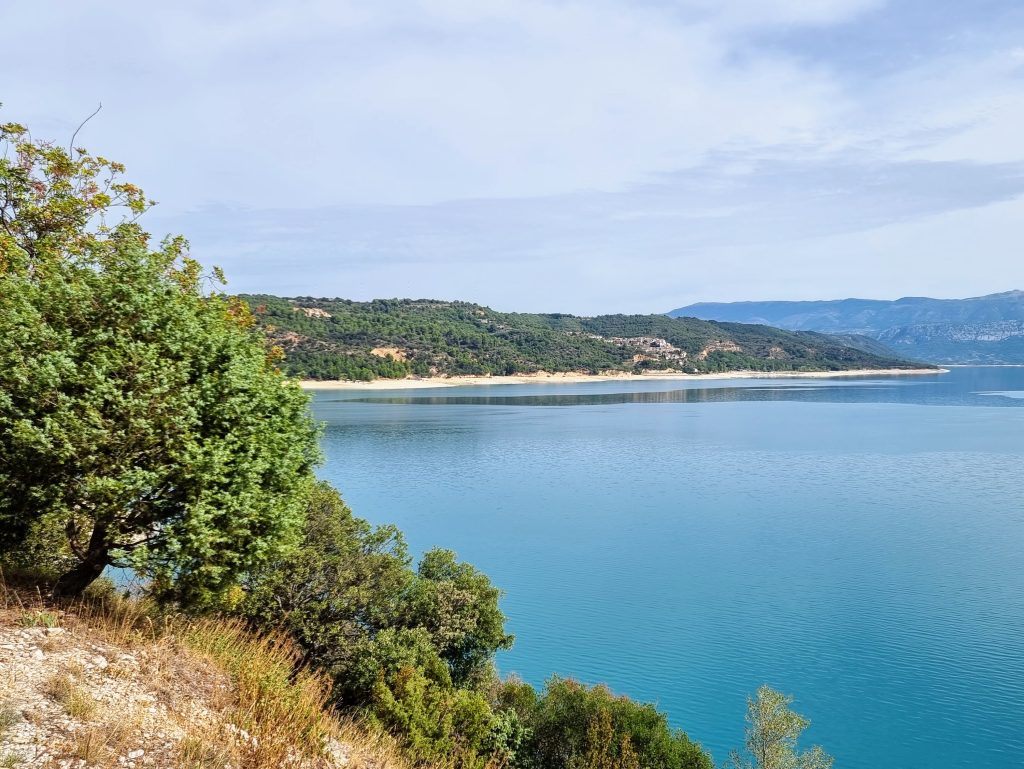
Generally travelling in toll free countries, or those with a vignette system for a set cost, will be much more affordable than toll motorways. Of course you can often avoid the tolls in those countries too by travelling a more scenic route and avoiding motorways, but that will add on travel time and fuel costs, so you’ll need to weight it up. Here’s some info about the tolls systems across Europe to help you to plan a cheap road trip route:
- Austria: Requires a vignette for motorways and expressways. Additional tolls apply for certain tunnels and alpine roads.
- Belgium: No general toll system for passenger cars, but specific tunnels, like the Liefkenshoek Tunnel, have tolls.
- Croatia: Uses toll booths on motorways.
- Czech Republic: Requires a vignette for motorways and expressways.
- France: Has an extensive network of toll motorways (autoroutes).
- Germany: Only heavy goods vehicles are tolled, cars travel free, but some bridges and tunnels (like the Warnow and Herren Tunnels) do have tolls.
- Greece: Uses toll booths on motorways and certain bridges.
- Hungary: Requires an electronic vignette for motorways and expressways.
- Italy: Extensive toll motorway and some bridges and tunnels also have tolls.
- Norway: Toll roads, bridges, and tunnels are common, with an electronic toll collection system in place.
- Poland: Some motorways have tolls collected at booths.
- Portugal: Uses both toll booths and electronic toll collection on motorways.
- Slovakia: Requires a vignette for motorways and expressways.
- Slovenia: Requires a vignette for motorways and expressways.
- Spain: Has toll motorways (autopistas) and some bridges and tunnels with tolls.
- Switzerland: Requires a vignette for motorways and expressways. Some tunnels and alpine roads also have additional tolls.
- The Netherlands: No general toll system for passenger cars, but a few specific tunnels have tolls.
4. Self-cater to save on food costs
Food can be a huge expense when you’re travelling abroad with kids, particularly if you eat out regularly, so keep costs down on your European road trip by ensuring that the places you stay have good self-catering facilities. Packing up drinks and picnics, and making meals in your holiday home, is the best way to keep your food budget on track – invest in a decent cool bag and cool blocks to take with you on all of your travels and days out.
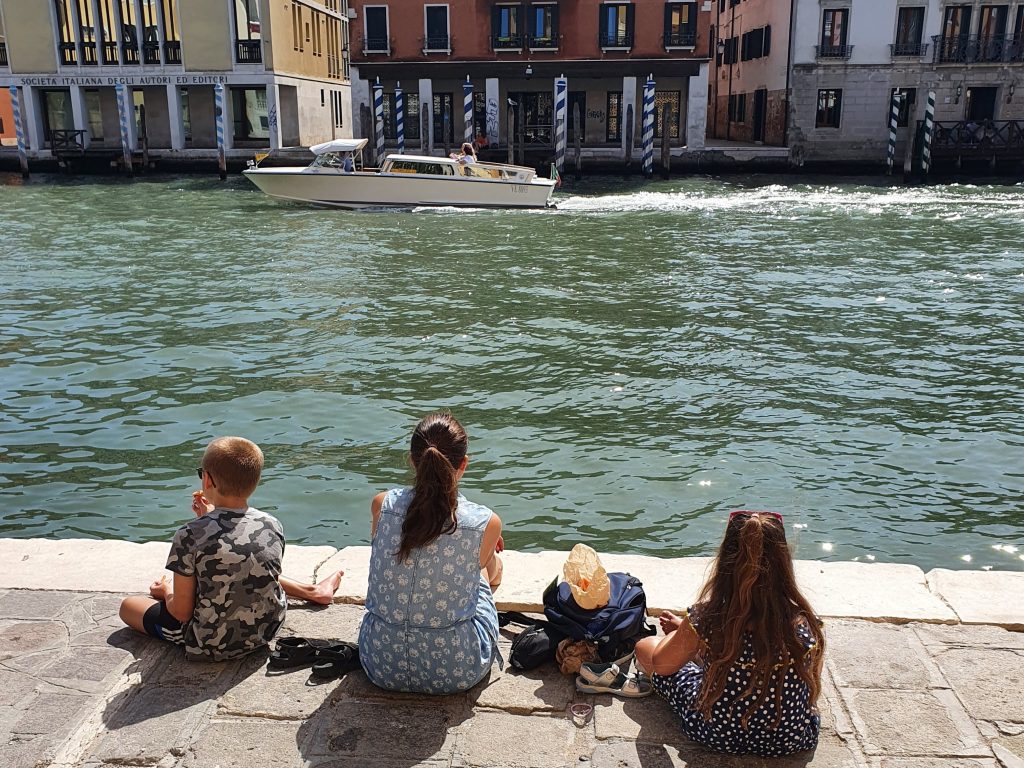
To keep costs down load up the car in the UK with non-perishables – such as cereal, pasta and tinned goods – it’ll be a lifesaver if you’re visiting somewhere with a higher cost of living or if the food on the campsites is expensive. And, stock up at cheap supermarkets along your route. When the scenery is so beautiful nothing beats a picnic anyway, we’ve had lunch in some of the most amazing locations – a picnic at the water’s edge in Venice? Yes please! 😍
5. Find the cheapest travel options
Lots of holiday providers offer significant savings if you book your travel through them when organising your accommodation. For instance, booking the Channel Tunnel Crossing through Eurocamp is usually far cheaper than booking directly – so make sure that you book it as a package if you’re driving. This year the cost of a return ferry trip through Eurocamp was around £100, whilst Le Shuttle was £250. Getting the ferry from Dover to Calais will add an extra hour onto your journey time, but it’s less than half the cost of Le Shuttle so it should definitely be considered if you’re trying to travel on a small budget.
You might also be able to get reduced, or totally free, travel by making the most of reward schemes like Tesco Clubcard which offer both ferry and Le Shuttle crossings. Or, if you’re eligible, make the most of discounts and offers through schemes like the Blue Light Card – make sure you explore all of your options before you book. The Direct Ferries website is also a great place to compare prices and look at the different options available too if you’re booking with a provider directly.
6. Plan your holiday itinerary
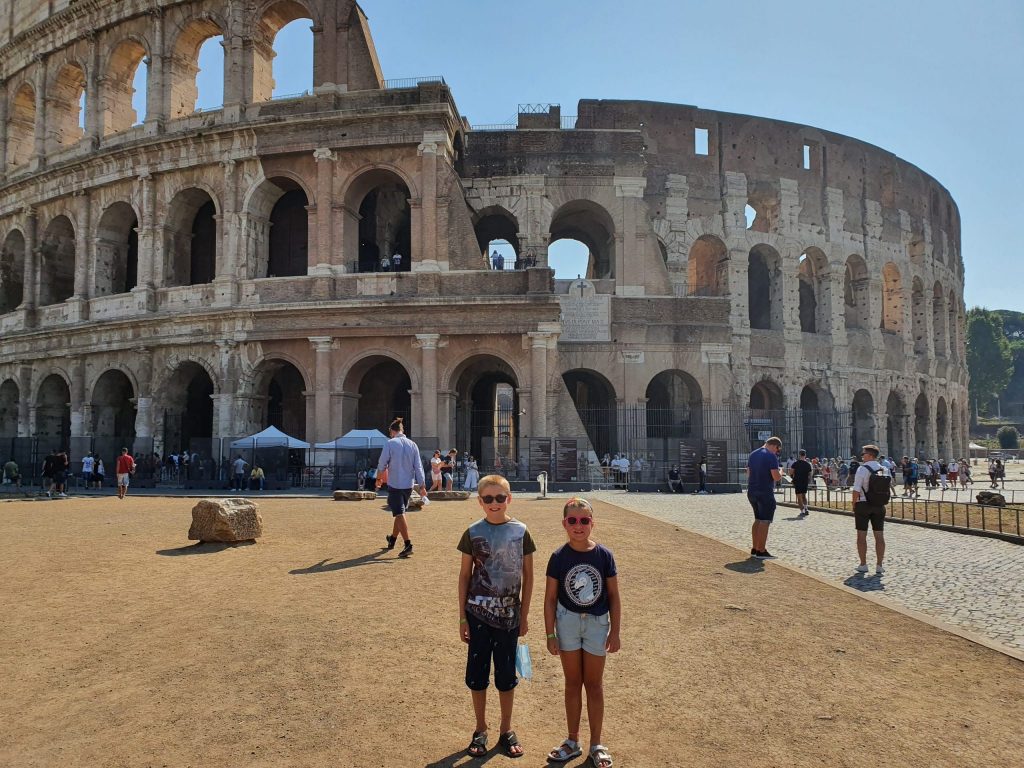
Set a budget for days out and work from there. Before you go on your trip, do some research to pre-plan the things you’ll want to see and do in the local area to get the most from your money. For instance – in Rome you can visit The Colosseum on the first Sunday of the month for free so why not visit then? Another example – lots of zoos, theme parks and children’s activities will have peak and off-peak prices. If it’s cheaper to visit on a Tuesday than a Saturday, a little bit of pre-planning will ensure that your visit coincides with the cheaper prices. (Avoiding the weekends will reduce the crowds too!)
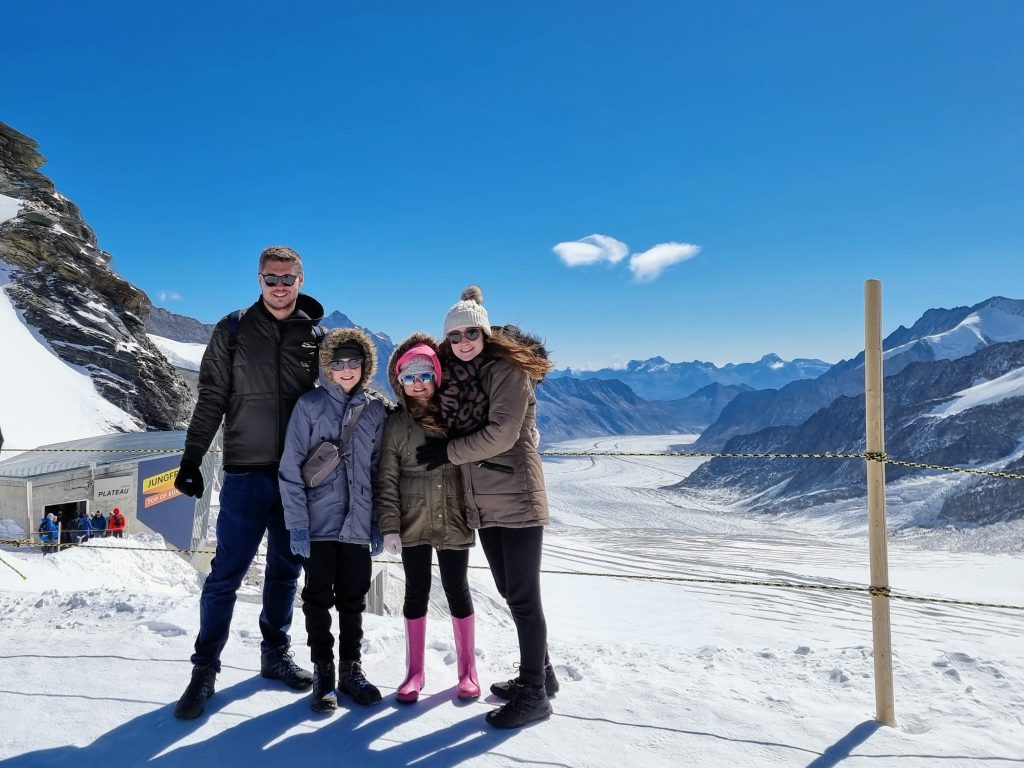
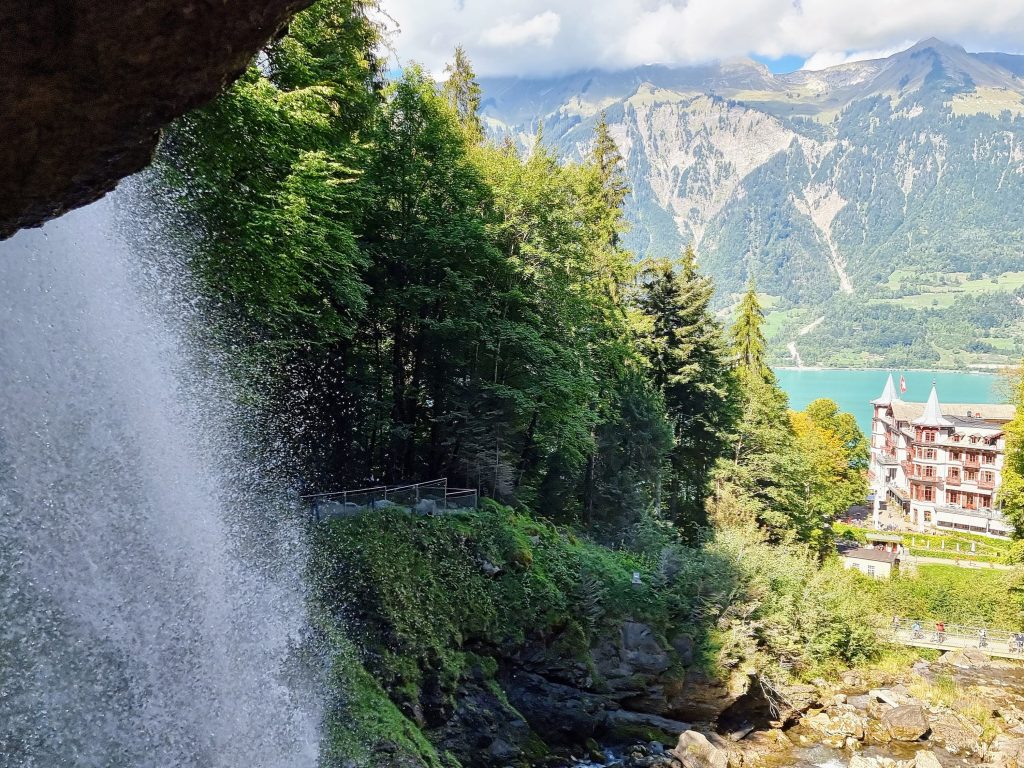
Further still – say you wanted to visit Harder Kulm and Jungfraujoch whilst in Switzerland, with a little prior research you’d see that if you buy tickets to Jungfraujoch you can visit Harder Kulm for free. So, you could make sure that you visit there first to avoid paying out twice. Making a rough itinerary for your trip is a great way to ensure that you can do all of the things you’d love to do while you’re away without breaking the bank. It’ll also help you to balance out pricier excursions with cheap or free activities for some frugal days out too. So, do your research before you go – and make the most of nature – some of the best sights (like Giessbach Falls below) are often free!
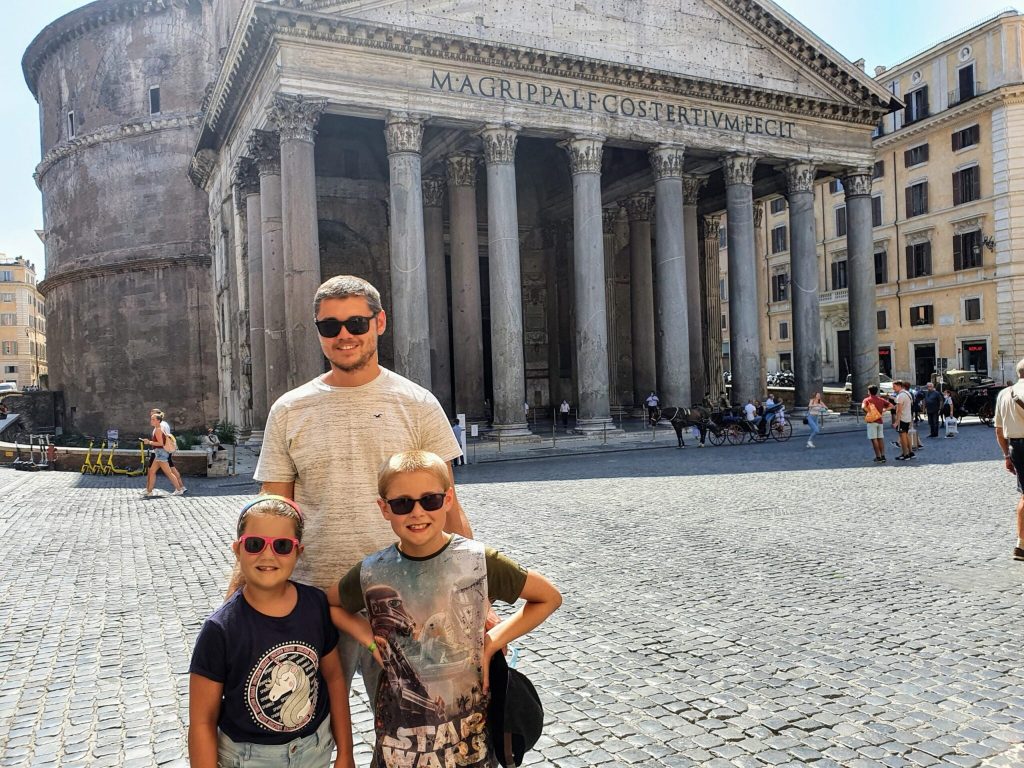
You might also discover things like free walking tours or museums with free admission days, and most religious buildings across Italy offer free entry too – so city breaks can actually be a really affordable option. (If you’re heading to Italy, you might want to check out this article: The 5 best cities to visit in Italy with kids on a budget.) And, for city break money saving tips have a look at: How to have a European city break with kids on a budget. You can also explore parks, hike the countryside and visit some beautiful beaches without spending a penny – so find out what’s in the surrounding area before you go (as well as local events) and take advantage of opportunities to explore without spending a lot of money.
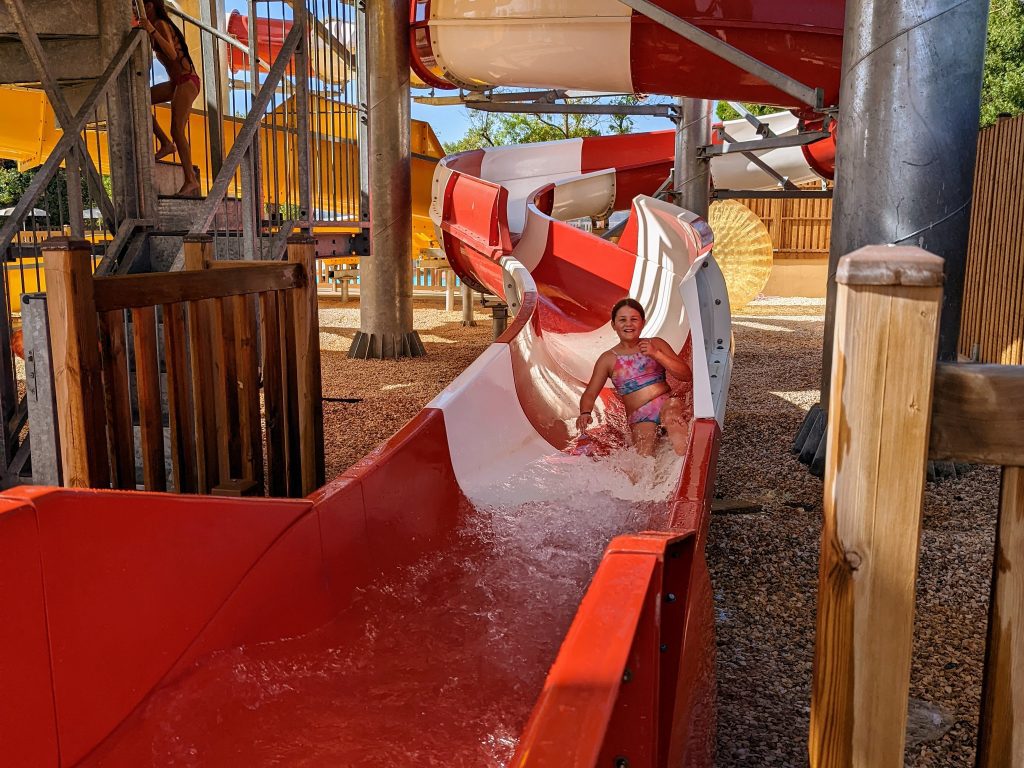
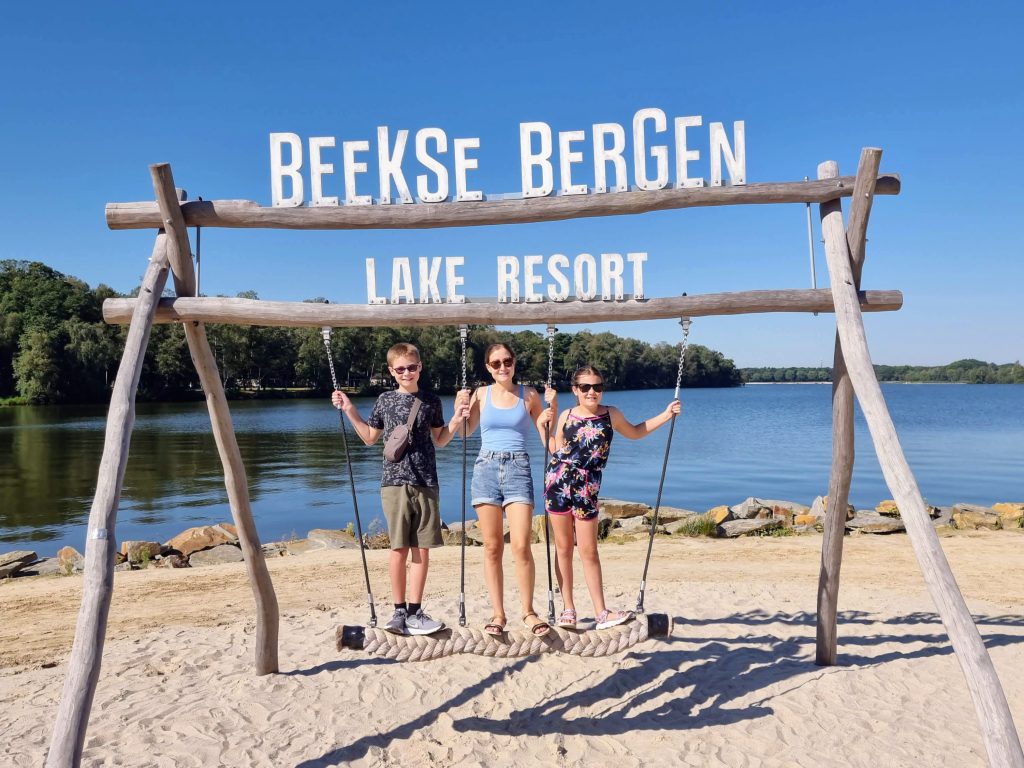
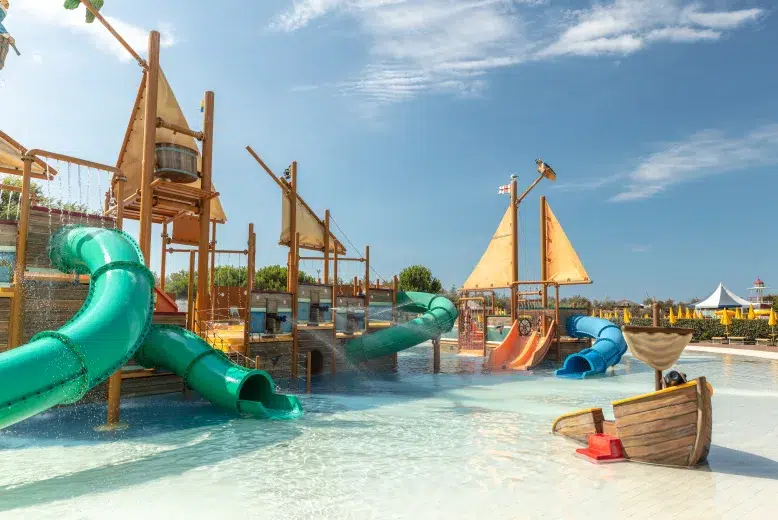
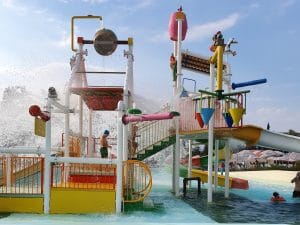
Most campsites will offer plenty of kids’ activities to keep them entertained too, at no extra cost, so it can also be helpful to look at what each site offers and opt for those with things like great waterslides included! (Union Lido in Italy has its own waterpark!) You might also want to consider places that come with free days out included too – such as the Duinrell Resort with its free theme park, or opt for a stay at somewhere like Lake Resort Beekse Bergen which includes free entry to quite a few attractions including the amazing Beekse Bergen Safari Park and Speelland. (Click pink to check out my reviews for more info!)

7. Take your supplies with you
When you book campsites with mobile home accommodation, like Eurocamp, just little things like taking your own bedding will save you a bit of money. Make sure that you pack things like anti-histamine tablets, antiseptic cream, bite cream, bug spray, paracetamol and plasters too – these items can be really expensive from pharmacies abroad (compared to our UK budget store and supermarket prices) so it pays to be well prepared for every eventuality! Check out my Ultimate Family Holiday Packing Guide – with free printable checklist to help you to get organised.

8. Book slightly (or completely!) out of season
Holiday prices can vary significantly depending on the time of year, so consider travelling during the off-peak season to find cheaper prices. If you’re able to avoid the school holidays and peak dates, you can save a ridiculous amount of money. September can be a great time to travel in Europe – it’s our favourite time to getaway – it’s quiet, affordable and still lovely and warm. But if you do need to book around the school holidays, Easter or May half-term is often a lot more affordable than the summer holidays!
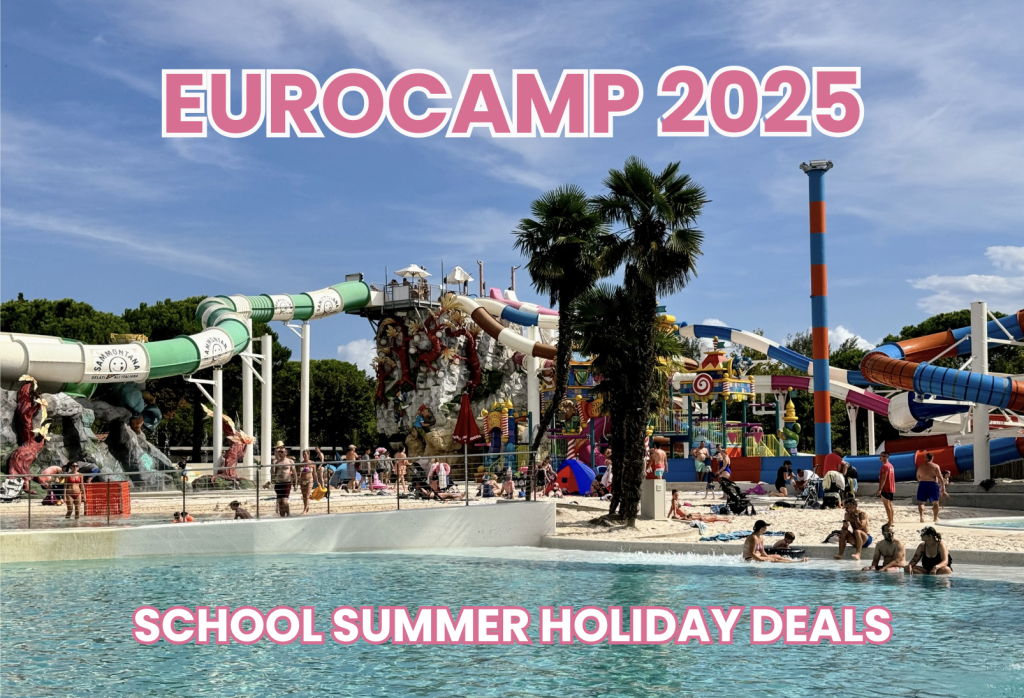
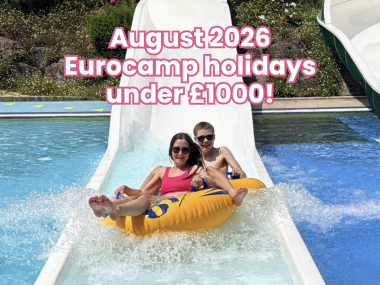
Eurocamp do some brilliant May half-term deals every year – making it possible to book your accommodation for less than £300 per week! This year, I found 78 Eurocamp breaks for a family of four under £250 for May half-term week. But if you do need to book your European road trip during the school summer holidays, over July and August, and you’d like to find something inexpensive check out my article: Eurocamp 2025 school holiday deals: July & August budget summer breaks under £1000! (An affordable family road trip is possible in Europe in the school holidays if you can find the right deals!)
9. Pack sensibly to make travelling with kids pain free
You’ll want to avoid over-packing, as that’ll add to your fuel costs on a long drive – we always take detergent with us so I can hand-wash undies and a few t-shirts if need be and most campsites have laundry facilities should you need them – so don’t pack more than you need to. However, having said that, being prepared and packing wisely for the journey will make travelling with kids so much less stressful. I’ve put together a list of 13 things to pack on a road trip with kids, with all the family road trip essentials you’ll need to make it as easy as possible, so use that as your bible and it’ll all run smoothly – I promise!
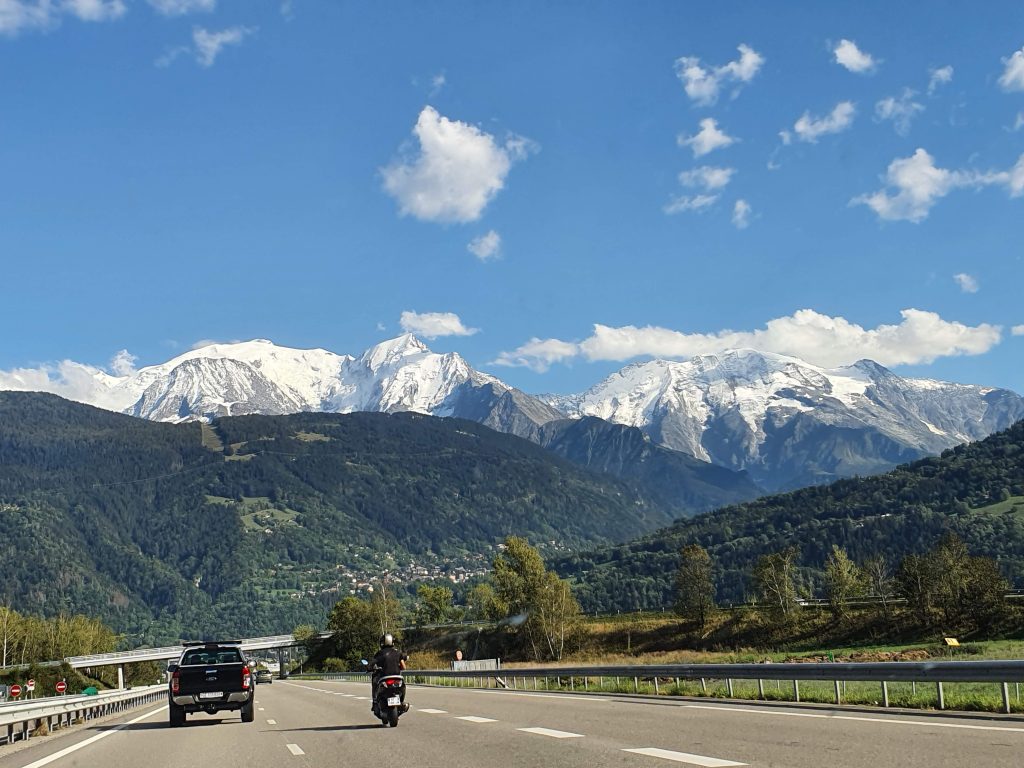
Make sure that you read it carefully, and prep your car properly with the mandatory travel kit you’ll need for driving through France etc, as well as the documents you should carry too. And, remember to familiarise yourself with local driving laws, such as speed limits and parking rules, to avoid fines.
10. Think long-term
If you’re planning on road tripping your way around Europe with the kids as often as you can, then consider things like choosing a fuel efficient car, annual travel insurance, and renting a toll tag – which allows you to breeze through the tolls without stopping. Also try to save in advance to make trips less stressful – working to the budget you’ve set. Work out your average annual travel costs and divide it by twelve, then set up a monthly direct debit into a savings account to collect the money year round. That way you’ll have a good chunk of money to work with when you need it, and won’t need to borrow to book your family adventures. Happy travels – and if you need any help planning your perfect trip just shout! 😊
For budget family travel and road trip ideas in Europe, check out my articles:
30 page PRINTABLE kids’ summer travel activity book
The 10 best Eurocamp holidays closest to Calais

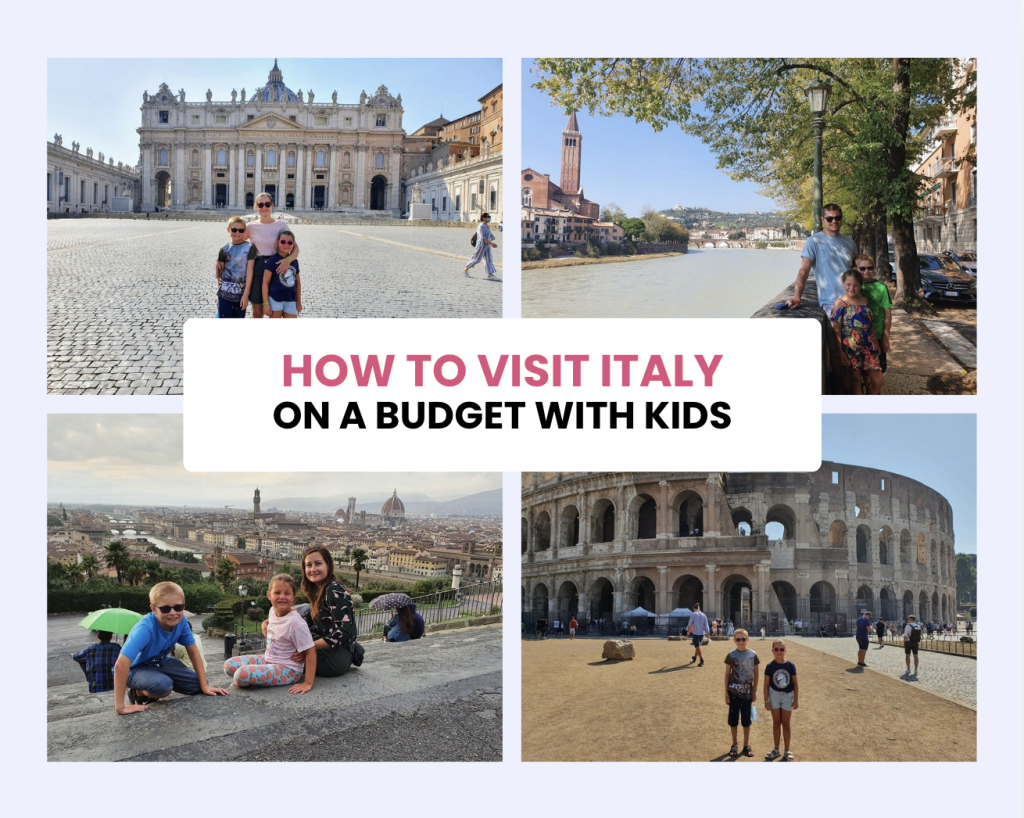
Our 3 week Italian Eurocamp Family Road Trip Itinerary: How to visit Italy with kids on a budget
Family road trip essentials: 13 things to pack on a road trip with kids
The 10 best Eurocamp holidays near cities – for cheap city breaks with the kids in Europe
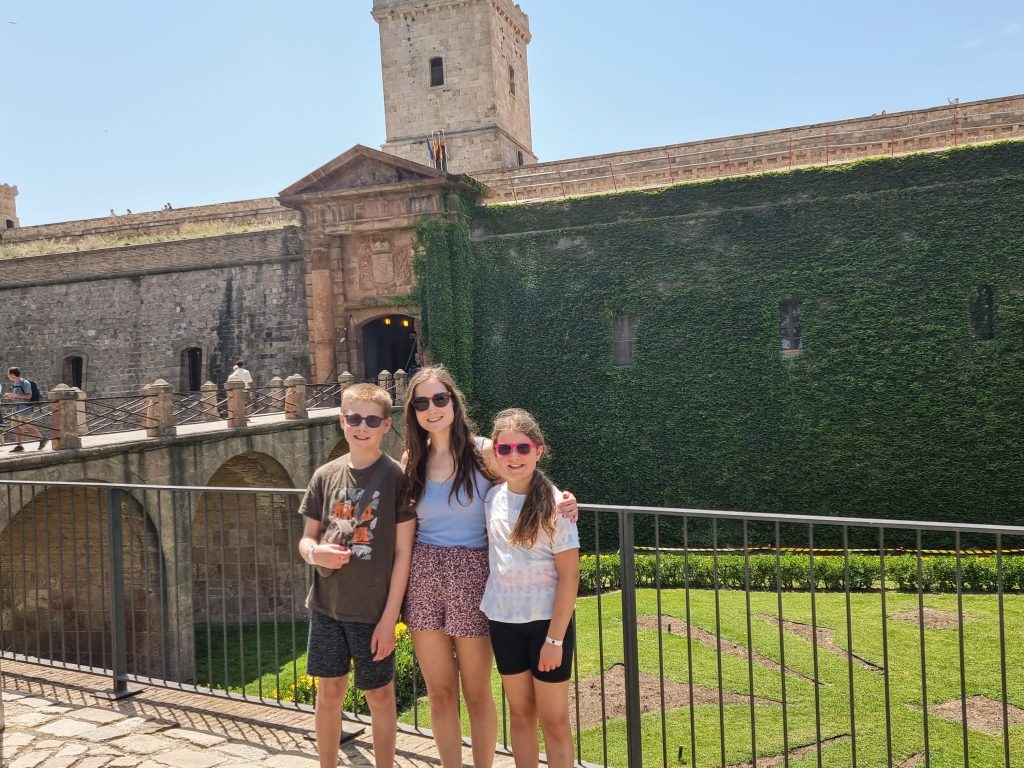
Our Eurocamp Interlaken Family Holiday Guide: How to visit Switzerland on a budget with kids

The 16 best Eurocamp holidays for toddlers and young children
This post may contain affiliate links – I may earn a small commission at no additional cost to you.
Found this article useful?

 Natalie


1 comment
Thank you, Natalie, for this fantastic guide! Your tips on budgeting, choosing affordable accommodation, and planning routes to save on tolls are incredibly helpful. We love the idea of self-catering and packing essentials to cut costs. Your detailed breakdown of travel costs and itinerary planning makes it so much easier to manage a family road trip in Europe without breaking the bank. Can’t wait to try Eurocamp on our next adventure! visit : https://www.splitsaving.co.uk/