
 Natalie
As an ex-teacher, and a homeschooling parent, I thought it would be useful to put together a guide on how to home educate on a budget in the UK. Hopefully this will help home-educating families to enjoy discounted days out, freebies, cheap travel, resources and activities. (As well as being a bit of a guide for new families starting out, on where to begin with homeschooling.) Alongside money-saving tips and tricks, I’ve also included some guidance on how and what to teach your children, how to go about deregistering your child from school, and the pros / cons of home education – just in case you’re still trying to decide. So, if you’re keen to get started, or are already home-educating and want to find out how to make the most of it without spending a fortune, then you’re in the right place.
Is home education expensive?
If you’re thinking about home-educating your children, you might be wondering whether it’s expensive, and who funds home education. Unfortunately, the short answer is you – parents are entirely responsible for funding homeschooling in the UK, so that’s definitely something to consider. (It’s such a shame, given how much funding schools are given per child!) Whilst it’s unlikely that you’ll be able to homeschool for free – fortunately home education doesn’t have to be expensive. Most families pay out for clubs and days out, whether children are in school or not, so it’s not really too different. (And home-ed families can often benefit from discounts on all sorts of things!) It’s definitely possible to home educate in the UK on a small budget – we certainly do – and it can cost as much or as little as you like.

How to home educate on a budget in the UK:
We’ve had loads of fantastic experiences since we became home-edders. It’s totally doable to home educate cheaply in the UK – if you make the most of discounts and freebies you can enjoy budget-friendly travel, learning resources, activities and days out. Lots of places offer reduced (or free) entrance tickets, and term-time travel is so much more affordable – we’ve had some incredible adventures! Plus, there are loads of free or cheap online resources to support your children’s learning. It’s not always easy to find the discounts, but here are some that we’ve come across. Share them far and wide so other home-educating families can benefit too – and let me know of any others that you discover! Here are my top 10 tips, hacks and discounts to help you to home educate (and have lots of fun with the kids in the UK and beyond!) on a small budget:
1. Make the most of home educator discounts for days out:
There are lots of discounted (or free!) UK days out available to home-educating families. Lots of places offer school trip rates, and some will even let you visit for free. Just be aware that most of the time these trips will need to be pre-booked and organised in advance. Here are some that we’ve made the most of:
- Free English Heritage visits for home educators: English Heritage allow free term-time entry to their sites for home-educating families, just as they do for school visits. Email them and you’ll get given an account that you can then book educational visits through – just be sure to give a few weeks notice as they need time to send you an entry permit. We use this perk to visit both local attractions and English Heritage sites when we’re on UK holidays – going to places like Tintagel Castle, Walmer Castle and Dover Castle. For more info, check out my article: The 10 best English Heritage sites to visit with kids.

- Reduced or free museum entry: Loads of museums offer free entry, and those that don’t will often let home-edders in for free or at reduced school rates. For instance, if you contact them to pre-book, The Science Museum in London offer their Wonderlab experience for a couple of quid instead of the usual entry price. And, at lots of museums, you’ll also be able to access days specifically for home-edders or attend free / reduced price workshops.
- Discounts on big attractions: Loads of well-known attractions (like theme parks, zoos and castles) offer reduced / school rates for home-educating families. They are rarely well advertised, and usually need to be booked in advance, so do some investigating. Sometimes the information will be hidden on their websites, but if not it’s worth sending an email. At the The Eden Project we visited for just £5.60 per person, and a trip to ZSL London Zoo for our family of four cost around £40. Other popular attractions which currently offer discounted rates for home educators are places like Legoland, Chessington World of Adventures and Alton Towers.

- Train travel for a quid: If you’re in the South East, kids can travel off-peak on the train for just a quid – making getting away, or having days out, so much more affordable. For all of the info you need on how to benefit from this deal, check out my post on Southeastern Rail. If you’re not travelling in the South East, see if there are any similar deals offered for your local area.
- National Trust home education card: The National Trust offers a reduced yearly family membership to home educators for around £50. You can easily get your money back, by visiting just a few places, and it’s really handy to have for free days out during UK staycations. Our favourite is definitely St Michael’s Mount in Cornwall.

- Blue Peter Badges for free entry: Not just for home-edders, but a Blue Peter Badge is definitely worth having! If you’re exploring the UK on a budget; children can gain free entry to over 200 attractions around the country such as theme parks, zoos and castles – making days out a lot more affordable. There are lots of ways to earn a badge, check out my article on Blue Peter Badges for more info. We’ve used ours to visit places like The Heights of Abraham, HMS Belfast, London Zoo and Howletts Wild Animal Park.
- Freebies in the capital: Surprisingly, cities can often be really affordable places for holidays and days out. In particular, there are loads of FREE things to do in London with children – even if you’re not a fan of the museums. From playgrounds, to lidos, to farms and zoos – there’s something to entertain everyone. This is not just for home-edders, but exploring during term-time will be far less busy – check out my article: The 10 best FREE days out in London with kids.

- Discounted days out and holidays with Kids Pass: Kids Pass is a fantastic way to save on the cost of days out and family holidays. In 2021, through Kids Pass, we saved £30 on a Haven holiday, and £20 off our Butlins break – the easiest £50 saving ever! When you combine the discounts with already low term-time / off-peak prices, you can do loads on a small budget – trial it for 30 days for just a quid and cancel if you don’t want to continue. Though, if you have frequent days out, it can be worth the couple of quid per month subscription cost.
- A year of fun with a Merlin Pass: The Merlin Annual Pass can be a good money-saver if you’ll use it frequently. You can access absolutely loads of UK attractions including: Alton Towers, Chessington, LEGOLAND Windsor and Thorpe Park; indoor fun like SEA LIFE centres, Shrek’s Adventure!, The London Eye and Madame Tussauds; and historical and immersive experiences like Warwick Castle, The Dungeons and even Cadbury World. Kids under 90cm go free – you can check out all of the pass options and what’s included here: Are Merlin Annual Passes worth it and which pass is best?

2. Enjoy cheap term-time holidays:
Our favourite thing about home-educating is how often we’re able to travel. With no ties to school or work (we’re both self-employed) we can come and go as we please, and with it being so much cheaper to travel term-time, we’re able to go much more often and for longer periods of time. There are some fantastic term-time travel deals – these are our favourites:
- Eurocamp: We adore road-tripping in Europe, and Eurocamp can be super cheap when you avoid the school holidays – we’ve stayed at 20 different Eurocamp sites since 2020. You can easily book a week away for £300 or less, and they offer discounted ferry and Channel Crossing travel too. May, June and September can be great times to travel on a small budget, avoiding peak holiday times but still benefitting from good weather. So much learning can be done from exploring our wonderful world, so cheap travel is definitely a huge benefit of home-educating. Check out my Eurocamp holiday guides or head to my Eurocamp reviews for more info.

- Butlins: Budget-friendly Butlins breaks are another amazing perk of home-edding – check out my Butlins holiday guide for more info. There are extremely cheap term-time Mon-Fri deals. Last year we went for £89 – and we’ve got friends who’ve booked for about £60 this year! With so much included when you get there, it can be ridiculously good value for money and the kids absolutely adore it.
- Sun Newspaper Holidays: The Sun Newspaper holidays are fab for us home-edders as there’s a lot more availability for term-time dates. We booked two in 2022 – one Norfolk break which was £66 for Mon-Fri in May (including a caravan upgrade) and another for £78 to the Isle of Wight in June. We had two holidays for less than the price of one! Check out my Sun Newspaper Holiday guide for more info.
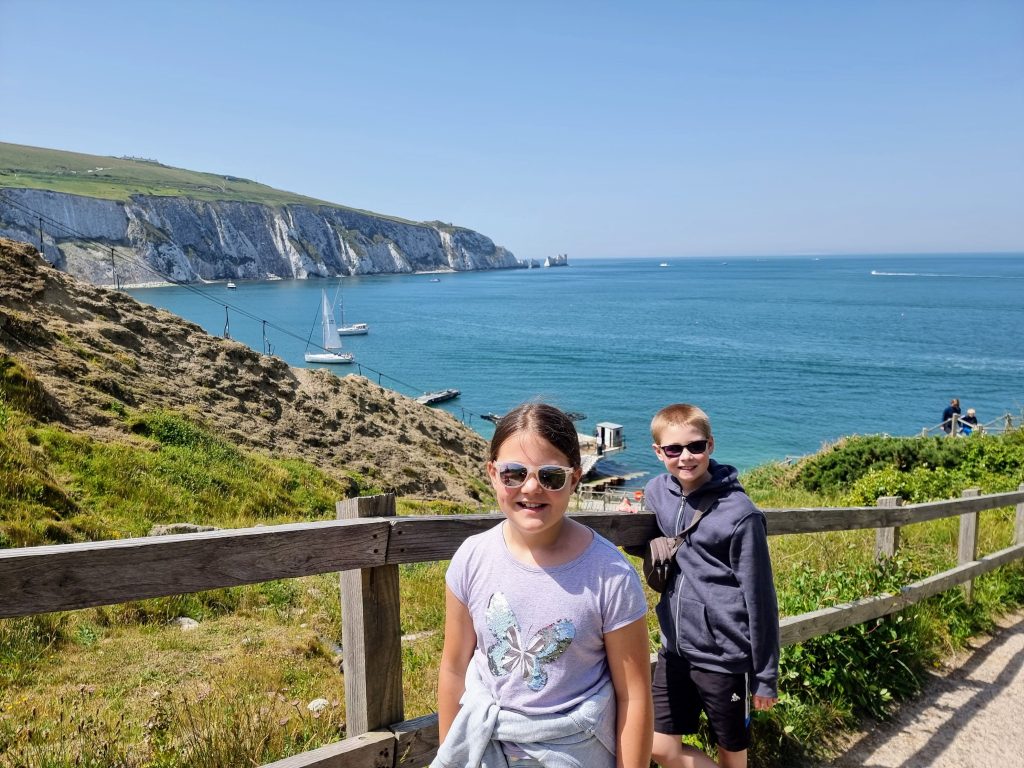
- Haven: Haven holidays offer another brilliant cheap and cheerful UK holiday option. We had a fantastic 7 night stay in North Wales at Hafan y Mor Holiday Park for just £263. Haven offer fab savings if you avoid the peak school summer holiday period – this year they’re advertising breaks from as little as £65 so it’s well worth a look. Check out my article: Are Haven Holidays good? The 20 best Haven Holiday Parks for a UK family staycation for some popular holiday park options.
- TUI Holidays: TUI offer some excellent off-peak package holiday deals, and their offers can be combined too. For our last trip to Spain, we took advantage of a free child place, AND a TUI offer of £100 off which was running at the time of the booking. The holiday worked out at about £250pp which included 7 nights in a 4 star hotel (The Villa Romana) with breakfast and dinner each day, flights, coach transfers and luggage. Use their calendar to compare dates and hunt out some bargains!

- Trusted Housesitters: Reduce your accommodation costs to just £99 per year by using a housesitting service like Trusted Housesitters. In exchange for looking after someone’s pet, you can stay in their home for free anywhere in the world (some may have a £9 booking fee). You can book as many stays as you like – find out more in my Trusted Housesitters family travel guide.
- Parkdean Resorts: Parkdean Resorts have over 60 UK staycation options, and they’re often more budget-friendly than Haven over the peak summer months. As well as offering swimming pools, waterslides and great beach or countryside locations, they also have loads of kids’ activities and even some hot tub accommodation options too if you fancy a little bit of luxury! (Away Resorts offer some brilliant hot tub holidays too!) For more information check out my article: The 20 best Parkdean Resorts holidays for families.
3. Use home educator discounts for lessons and clubs:
One of the best things that we’ve found about home-educating is how many clubs and lessons are available at reduced/school rates. The swimming lessons we attended for 2 years were around £20 per term for both children, since it was offered at the rate given to schools. It’s always worth asking around to see what’s on offer but, if what you’re looking for doesn’t exist in your area, it’s worth contacting sports centres, museums, libraries and other venues to see what can be organised. Many will have little footfall during the day so there’s often a deal to be done – and they’ll always be other home-educating families happy to join in!
4. Tutor wisely:
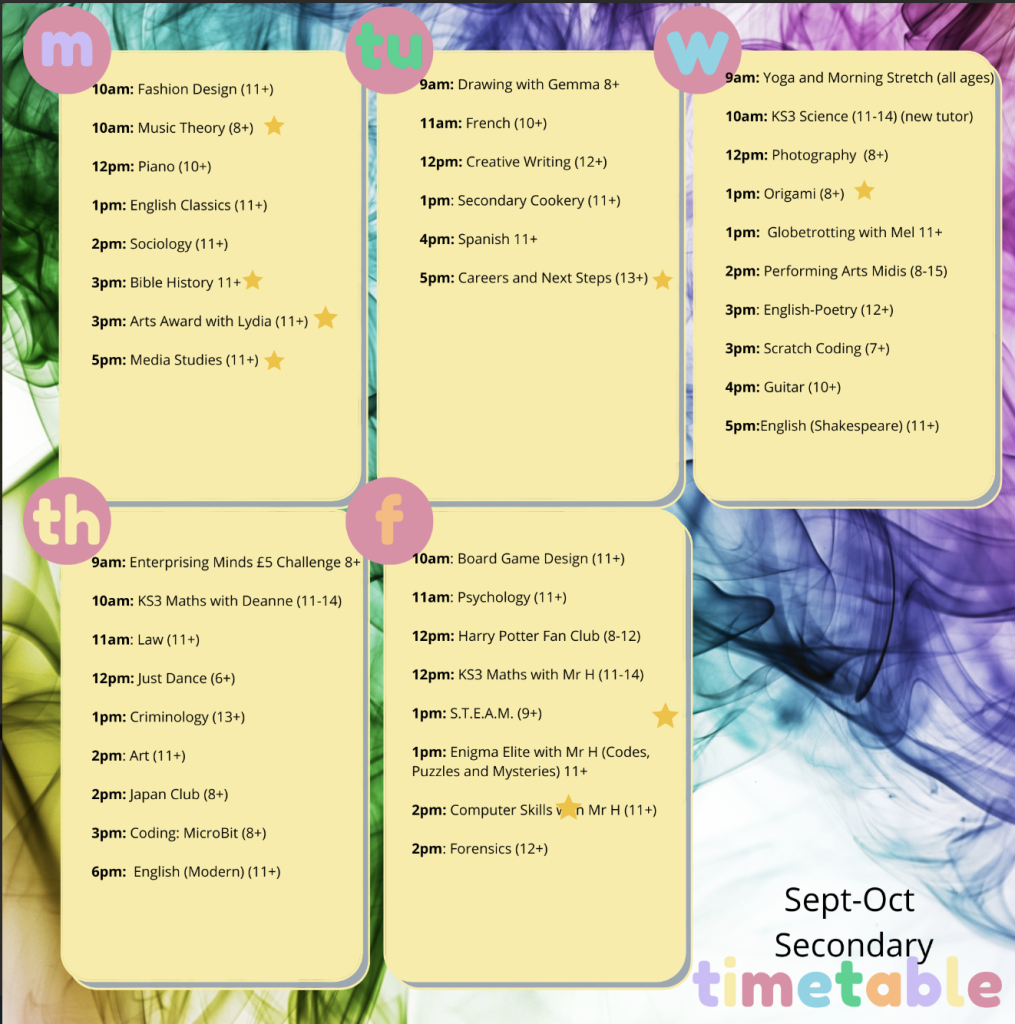
Tutoring can be useful if you’re not sure where to start, or are perhaps trying to juggle working or looking after little ones as well. It’s often done through Zoom, so it can be done from the comfort of your own home, and even on your travels too! The Tutor Hunt website is a great place to start if you’re looking for some professional teaching support for your children. Joint tutoring groups or learning clubs can be a good way to reduce costs. It can also be worth looking at organising classes or groups yourself – it’s often parents who set up sports clubs, tutoring groups, forest schools, art lessons or science classes etc. If you’re on a tight budget The £2 Tuition Hub is brilliant for cheap classes that can be accessed from home – with lots of lessons following the UK curriculum.
5. Buy only the necessities:
You might be thinking, what do I need to get started with our home education journey? And honestly, resources wise, you don’t need much – it’s best to figure it out as you go along, purchasing the necessities as you need them. Obviously you’ll need the basics (workbooks / textbooks, pens and pencils, paper etc) and some sort of access to a computer or tablet is handy too, as there are loads of great resources online. To save money on resources:
- Get a home educator library card: A lot of books will be read once, or used briefly to support a topic, so rent don’t buy. In our local area the home-ed library cards come with extra benefits: we can rent loads of books at once (I think it’s about 30), get longer borrowing times, avoid fines, reserve / order in books without any fees, take out reference books that can’t usually be borrowed, get free time on the computers and get some free print-outs / photocopies.
- Share / borrow / rent resources: There are places to rent things that you might need for things like Science or topic work too. Some libraries offer this, and museums may be useful for that kind of thing as well. There’s also the option of borrowing from friends, or sharing the cost of resources with other home-ed families.
- Shop second-hand: For things that you do need to buy, always look to see what you can pick up second-hand before you buy new. You might be able to get textbooks and resources cheaply online, or purchase bits and bobs from homeschool families with older children as and when they move on to the next stage. Particularly for younger children, who will be learning through play for much of their day, second-hand shopping for toys, craft bits and garden toys will save you a fortune.
6. Organise free fun:
Socialising your children doesn’t have to cost a penny, nor revolve around structured clubs. There are so many home education groups on websites like Facebook, so see what’s happening on your doorstep. Taking the children for nature walks, to play in country parks, or to meet up somewhere like the beach or a local farm is a great way for them to hang out with their friends, get you all out of the house and keep everyone occupied without spending a fortune. Making the most of the outdoors is the best way for the kids to let off steam.
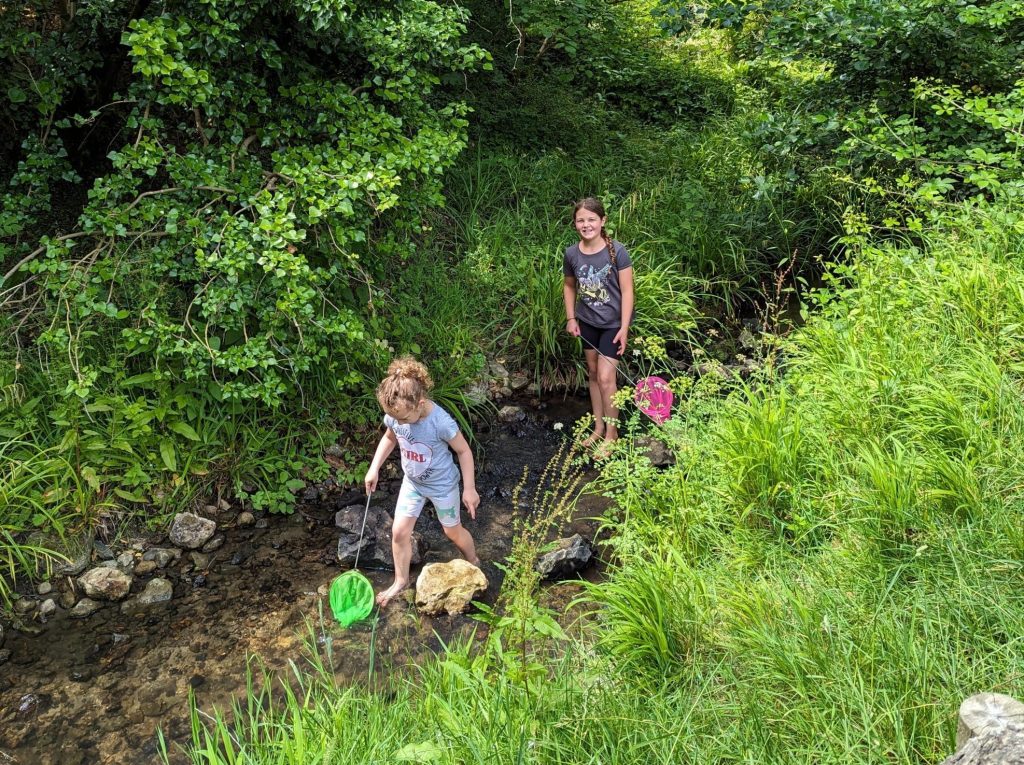
Simple things like taking a bike ride when you fancy it, or wandering the woods with the dog in the middle of the day, are what make home-educating brilliant – the freedom is wonderful. When you do go for days out, make sure that you pack a picnic, snacks and drinks too. You’ll be out and about entertaining the children during the week, rather than just the weekends, so all those extra bits could be really expensive if you’re not heading out of the door prepared. It’s also useful to think about picking up friends on the way / car sharing to save on fuel costs and parking charges, if you’re headed in the same direction. And, during the week, we try to get around on foot or by bike where possible to avoid using the car too much.
7. Save for exams:
You’ll have to fund exams, if you choose to have your children sit GCSES / IGCSES (usually a few hundred pounds each), but I think it’s all relative when you consider how much you’d have spent on school uniforms, secondary school bus passes, school trips, school resources etc over the years. (When you think about it like that, it doesn’t seem so bad!) Save a little bit every month so that the money will be ready and waiting when you need it. You can also spread out the exams over a longer period of time to split the cost. Or, to avoid it completely, some colleges offer 14-16 provision where exams can be taken – each local area offers something slightly different, so see what’s available near you.
8. Structure your own home education curriculum:
To home educate on a small budget, it definitely helps if you can structure your own lessons (the UK National Curriculum is a good starting point), rather than buying into expensive schemes or relying heavily on classes or tutors. (Though they can be a good investment if you’re feeling unsure on what to teach your children or you’re juggling work as well – being responsible for your children’s learning can feel overwhelming at times.) There are lots of different ways to home educate: some world school, some unschool and lots of families (like us) do a mix of social and fun activities alongside formal learning. If your kids are planning to take GCSEs or go to college, continuing some curriculum based learning is useful.

I get lots of people asking me where to start, or which books to use etc, so whilst there are lots of different routes (and by all means go with what works for your family) this is how we do it. When we’re not travelling, we generally do our ‘proper learning’ from 10am-12pm most days – with our afternoons based on informal learning, skill building (such as gardening or cooking), clubs, exercise or socialising. The bits I’ve added below will look at the formal learning side if you’re not sure where to start. So if you’re feeling a little lost, and trying to organise your curriculum on a budget, hopefully this will help:
- English Curriculum Work: The CGP workbooks are fantastic, with workbooks to cover reception level right through to the end of secondary, as well as study books to support learning. Writing tasks can be linked to topic work to engage the kids, and games (such a scrabble) are good fun and beneficial. Book studies are brilliant – The Literacy Tree website is fab for text-based planning linked to the English primary curriculum. Designed for teachers, their schemes are a great way to give your child good quality lessons even if you’re not feeling like an expert! For KS3, I’m loving the AQA English workbooks as they really break it all down. Watching films and documentaries is always a winner too, and there are tons of brilliant (free) videos on the BBC Bitesize website.
- Maths Curriculum Work: I love the Target Your Maths books for primary level learning – each page is differentiated in three ways which is so helpful – we used a mix of these books and CGP workbooks. For KS3 maths, we’re using the CGP student book textbooks – they’re very thorough – alongside the 10 minute workbooks which are great for keeping things fresh. Study books and online videos can be helpful for introducing new subject areas. Link maths to real life where possible for context and interest, eg: playing shops to introduce money, weighing ingredients when cooking, looking for shapes around the house or talking about fractions when sharing out sweets. And, keep things fun by playing board games like Monopoly, online games, and using manipulatives like lego.
- Topics: We do topic work to cover the science curriculum, and also loosely cover history and geography through this too – though we generally pick topics based on interest and curiosity rather than following set school based themes. We use big A3 scrapbooks so that the children can be creative and record their learning in a less formal way. Most kids enjoy topic work so keeping it fun is a good way to go. You can also sneakily feed in English skills through other topics – just don’t tell the kids! 😉 We watch lots of documentaries for topic work, cover history and geography themes through travel and outings, read books, research online, do practical experiments, and enjoy activities like planting seeds.
9. Use cheap / free online home education resources:
Fortunately there are loads of budget-friendly online resources to help you home educate, with many following the UK curriculum areas – so I’ve compiled a list of some that we use. Here are my favourite free (or cheap) websites to support children’s home learning:
- Primary Resources: Printable worksheets organised into different subjects and age ranges.
- Oxford Owl for Home: Free resources for primary age children.
- Twinkl: The holy grail of teaching resources and printables – Twinkl have some free resources, or you can subscribe to access more. (Sign up to their facebook page to grab their Home Ed annual subscription discount.)
- Ted Ed: Engaging educational videos about a wide range of different things.
- BBC Bitesize: Videos and resources covering all age ranges and subjects.
- Crash Course Kids: Videos for kids – particularly useful for Science.
- Primary Homework Help: A bit of everything but particularly useful for topic work.
- The £2 Tuition Hub: Online lessons for just £2, covering a wide range of subjects and areas of interest, for primary and secondary kids. (Plus IGCSE courses)
- Fun English Games: Loads of English games, activities, quizzes and videos.
- Topmarks: Really useful for Maths games, organised into age ranges and learning areas.
- Maths Frame: Lots of fun free Maths games.
- Science Kids: Science games, facts, experiments and videos.
- National Geographic Kids: Activities and quizzes for younger kids.
- Geography Games: Lots of Geography games.
- BBC History: A great resource filled with child-friendly History topics.
- History for kids: This website has lots of of free child-friendly History resources.
- Blockly: Learn computer programming skills – fun and free.
- Scratch: Creative computer programming – a child-friendly, game based introduction to coding.
- Duolingo: Learn languages for free – web or app.
- Lego: Get a free Lego Life Magazine subscription for children aged 5-10.
10. Learn through ‘cheap and cheerful’ play:
Until children are around 5 or 6 years old, their learning can be done entirely through play. Young children are not designed to sit still (I’m not sure adults are either to be honest!) so enjoy days out, mark-making with chalks, planting, cooking, role-play, crafting, playdough and anything else they’re interested in. Once they’re ready for more, little and often is the best way to introduce formal learning. Physical resources like: flashcards, role-play areas, word games, pieces of paper for sentence building, lego pieces for counting and a learning-clock for telling the time are all useful. Even as they get older, my kids (now 11 and 13) still love lego, colouring, gardening, baking, playing on the beach and getting filthy in the woods – play doesn’t have to stop.

General home education guidance
How do I get started with home education in the UK?
Homeschooling is legal in the UK so if you’re not yet home-educating, but feel it’s the right thing for your child, you’re legally entitled to remove your child from school. You can deregister your child by writing a letter to their current school to inform them of your intentions. You don’t need their permission, nor do you have to give any sort of notice period. (Though there are some changes being made for SEN children with an EHCP.) You can choose to follow the UK curriculum in line with schools, work at your own pace or teach your own curriculum entirely. Your children can sit exams privately, look for alternative qualifications, or not sit any exams at all. There’s a lot of freedom in home education, so take some time to work out what will suit your family unit, and your children’s needs.

Home education is regulated by the local authority so they will try to organise visits to your home. However, this isn’t legally required, you can instead submit an annual report to discuss your child’s learning and progress, and this is the option that most families take. Having said that, you can opt to have more involvement from the LA if you’d like support and some families do find that helpful. But, either way, it’s important to remember that they can intervene with concerns – so you do need to document your children’s learning and ensure that they are receiving an education of a satisfactory standard. To meet like-minded people, which will definitely be invaluable on your home-ed journey, look for local meet ups and groups, events happening in your area and join social media groups for homeschooling families.
Is home education a good idea?
It’s funny the reaction that you get when you say your kids are home educated. Some people ask loads of questions – they’re interested too but haven’t yet taken the leap. Others think it’s brave and wonderful but wouldn’t choose it for their family. And some think you’re outright bonkers – why would you want to home educate?! The right journey for every family is completely different – it depends on circumstances, finances, patience, skills, values, personalities and priorities. And there will always be highs and lows, whichever path you take. There’s a lot to think about in the school vs home education debate.
The main benefits of home education are: having the freedom to travel and design your own week; having more time for fun as studying is quicker; pursuing your children’s interests; having more opportunities for learning life skills; being able to work at your child’s ability level and pace; spending more time outside in nature and learning from the world; having lots of quality family time to make memories; and having happy children as they’re less stressed. In my experience, home-ed kids stay kids for longer too – they’re still spending their days climbing trees and playing in streams whilst others are trying to fit in at secondary school.
The main disadvantages of home education are: the time commitment as a parent to teach the children and entertain them (mum’s taxi service to clubs, friends etc); winter socialising when it’s freezing outside; the additional effort needed to maintain previous school friendships; the cost (clubs, tutors, days out and exams have to be funded by you); a lack of personal space as a parent; and more housework (with the kids at home all day) but we get around this by making sure that they help out. Motivation and patience can also be tricky, so be kind to yourself. It’s also important to consider the risk of isolation if your child struggles with socialisation – it’s easier for them to isolate themselves through home education, so for some being in a setting may be beneficial.
So, should I home educate?
One tip I would definitely suggest, if you’re debating whether you can afford to home educate, is to look at other costs which can be reduced to accommodate it. The nature of home-edding means that one parent will likely work part-time or not at all in order to be with the children so, though home education can be done inexpensively, it can take a toll on your finances when you look at the time commitment involved. Have a look at my article: The Ultimate Family Frugal Living Guide: 20 simple tips to save you money to help you get started. The teaching side of things can also be a big challenge for those not in the know – but this can be overcome with clubs, tutors and a good plan if it’s something that you want to do.
If you’re still deciding whether home education is the right path for you, or you need a little help on your home-ed journey, talk to other home-educating families through social media groups or friends. You could also visit the Shine Training Website – they offer resources to support home-educating parents and young people aged 4-16. For us, though things aren’t always perfect, home education has definitely changed our family for the better. We’ve made so many memories, and the extra time with the kids is something that I will always be grateful for. We love to travel on a budget in the UK and Europe, so keep in touch and follow what we get up to on Instagram – and I hope this has been helpful if you’re looking to home educate. Nat x
This post may contain affiliate links – I may earn a small commission at no additional cost to you.
Found this article useful?


 Natalie







4 comments
Wow, Natalie! What a comprehensive run down. It’s really interesting to hear how you are finding things and the links are invaluable. My niece has just started being home-schooled and I’ll definitely be forwarding the link.
Thanks for your lovely message Nathan – I hope your niece has a great homeschooling journey and glad to help!
Nat x
Hi Natalie, firstly can I just say how happy I am that I stumbled upon your blog page, its been so helpful. I have arranged a national trust pass for my daughter and I and I have also registered an account with the English Heritage education team. Can I just ask how you book a visit with the English Heritage one as the online booking form looks very aimed at school visits rather than home educator visits? Did you just fill out the form as best as you could or did you call them? Thanks in advance for any more information you have for me. I will definitely be sharing your blog with my little group of Home Ed families. Thanks again
Helen
Hi Helen, thank you for your kind words – I’m so glad you found the article helpful! If I remember rightly I think I emailed them and then they set me up on the schools list so I can now book through there. Hope that helps! Nat x