 Natalie Smith
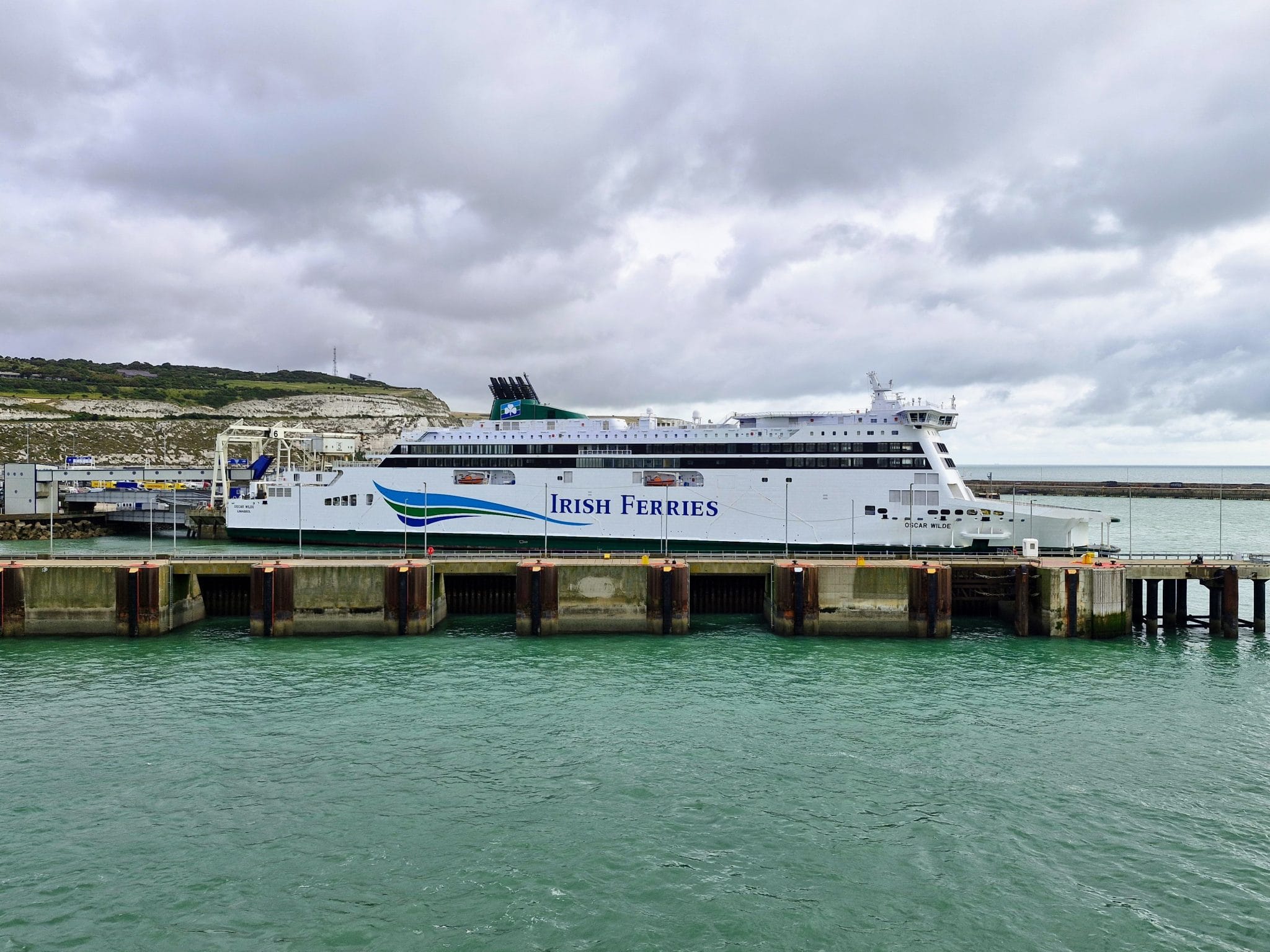
If you’re planning to travel from the UK to France via ferry then you’ll likely be travelling from Dover to Calais – and fortunately it’s usually the most affordable (and scenic) way to cross the Channel. Whether you’re heading to Europe for a holiday, a quick day trip or even doing a booze cruise to stock up on wine and cheese from France, the ferry is a convenient and budget-friendly option. We travelled on the ferry for our last road trip, and it was a really smooth and comfortable journey. So here’s everything that you need to know about travelling via ferry from the UK to France – I’ve included: where the port is, which ferry companies sail from Dover to Calais, how long it takes, info on travelling with dogs, how it differs from the Eurotunnel, what to expect onboard, alternative routes and money-saving tips.
Where is Dover Ferry Port?
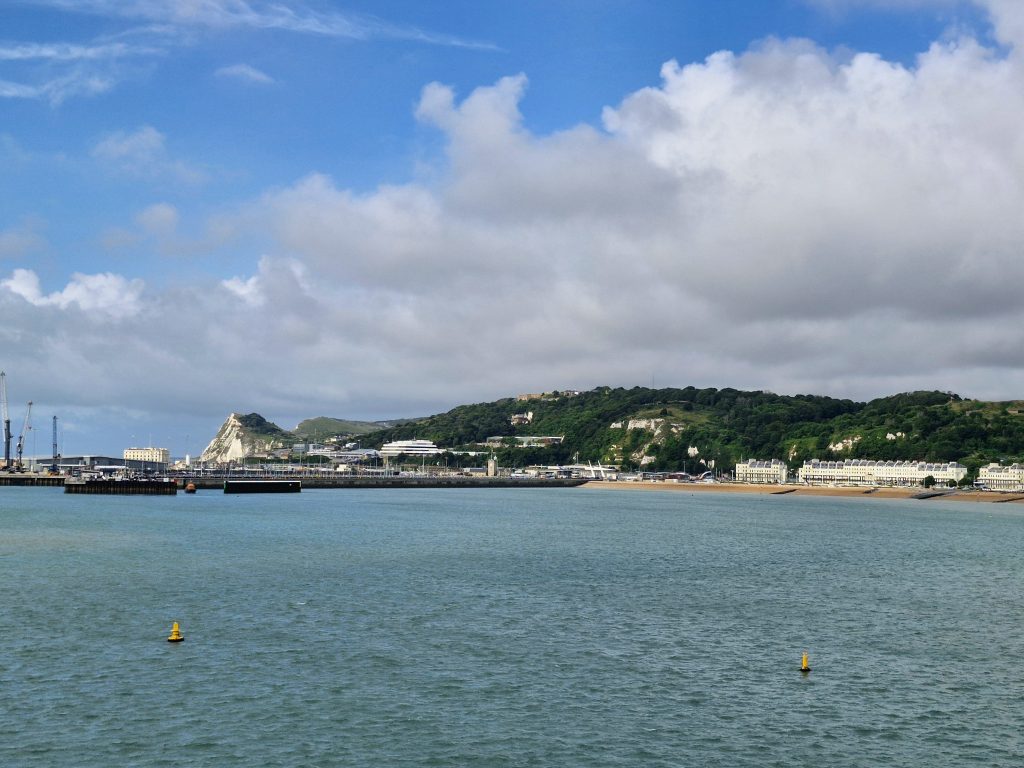
The Dover Ferry Terminal is located at: Eastern Docks, Dover, Kent, CT16 1JA. If you’re driving, pop the postcode into your Sat Nav and it’ll take you straight to the terminal – it’s well signposted and the check-in process is straightforward. For those arriving without a car, Dover Priory train station is just a 5 minute taxi ride from the port, or you can walk it in about 20 minutes. There are also buses that run between the station and the ferry terminal.
How long is the ferry journey from Dover to Calais?
To cross from the UK to France, on the Dover to Calais ferry route, takes around 90 minutes. However, don’t forget to factor in check-in times, and there may also be queues at peak travel times such as the school summer holidays. You need to arrive at least 60 minutes before departure if you have a vehicle (or 90 minutes before if you’re a foot passenger) but to allow for any delays we always aim to arrive at least 90 minutes before the crossing time.
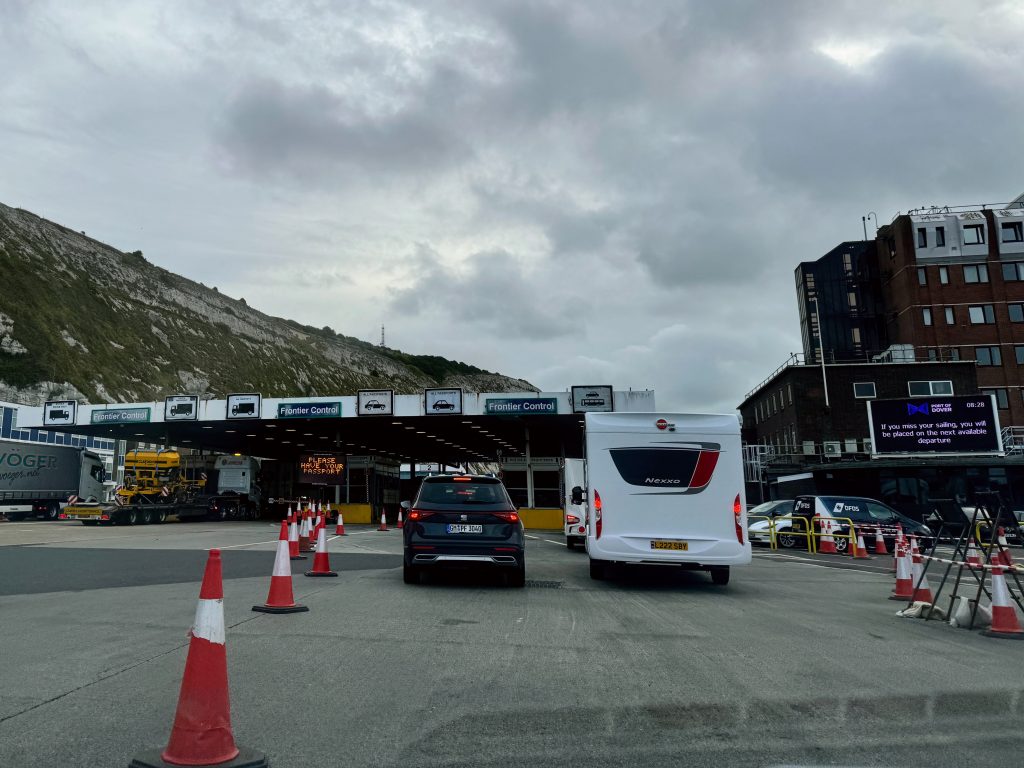
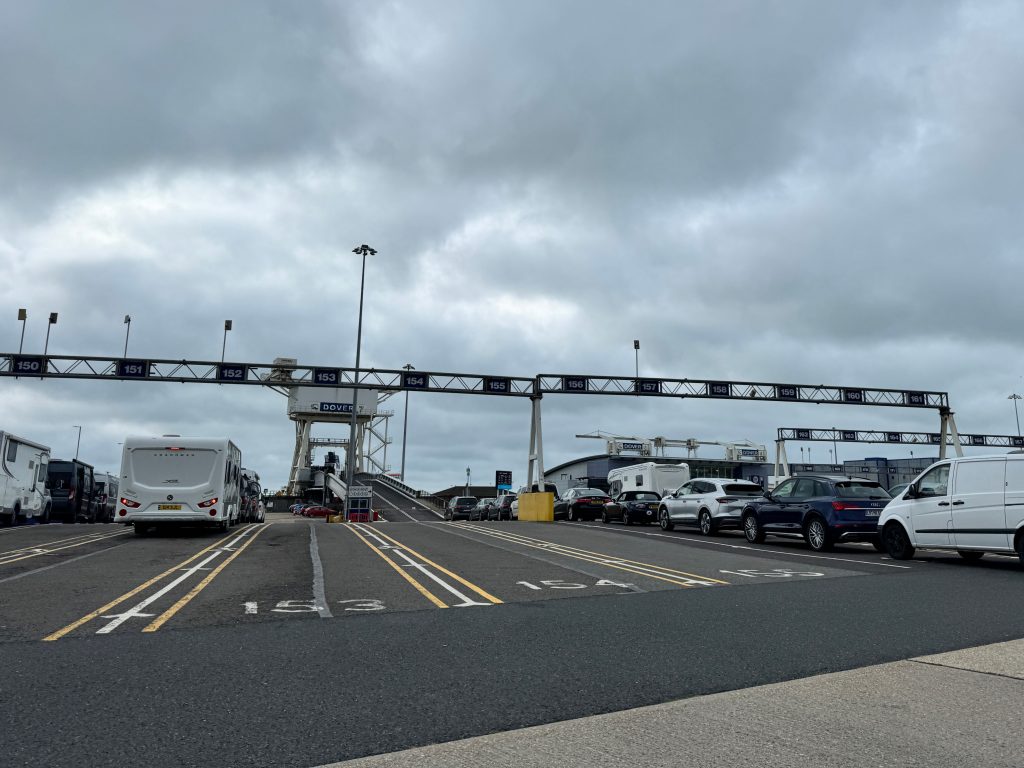
Getting the Dover ferry with a car: Driving onto the ferry is very straightforward, making it a great option if you’re planning a road trip in France or heading further into Europe. When you arrive at the check-in booths, you’ll present your passports and booking confirmation. You’ll then be directed to your designated boarding lane, where you’ll wait for instructions before driving onto the ferry. Once onboard, follow the crew’s instructions on where to park, making sure to remember your car’s location. Once parked, you’ll head upstairs to the passenger areas where you can relax and enjoy the facilities while sailing across the Channel. To make things easier, bring snacks and entertainment for the kids to keep them occupied while waiting in the car before boarding and for the journey onboard.
Travelling on the Dover ferry without a car: It’s entirely possible to take the ferry as a foot passenger which is great if you’re backpacking, visiting France for the day or using public transport on the other side. Tickets can be booked online in advance or at the port, though last-minute fares tend to be more expensive. Check-in takes place at the foot passenger terminal (which is separate from the vehicle lanes) and you’ll board via a shuttle bus which takes you from the terminal to the ferry. Once you arrive in Calais, there are buses, taxis and a train station nearby to continue your journey. If you’re travelling on foot, it’s a good idea to check the public transport options in Calais before you go.
Which ferry companies sail from Dover to Calais?
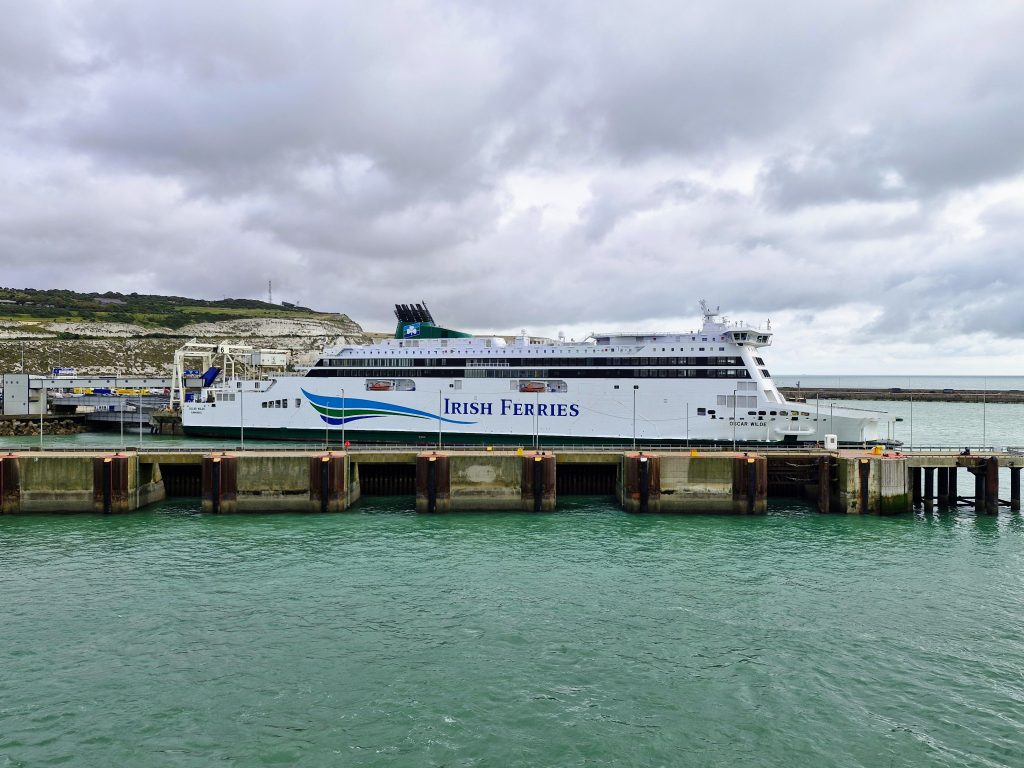
There are three main ferry operators running the Dover to Calais route: P&O Ferries, DFDS Seaways and Irish Ferries. Prices can vary, so it’s always a good idea to compare fares between the three companies before booking. Booking in advance is usually cheaper, and midweek crossings tend to be more affordable than weekends. On top of this, travelling earlier in the day (or later in the evening) will typically offer cheaper prices than peak travel times. Using the Direct Ferries website is the best way to find the cheapest crossing – it compares all of the sailing times, providers and prices so that you can make an informed choice – and they advertise sales, discount codes and offers on the website too – with options for the Eurotunnel as well should you want a speedier crossing via train.
Alternative Route: Dover to Dunkirk Ferry
If you’re open to an alternative route from the UK to France, you might also want to consider the Dover to Dunkirk ferry which is operated exclusively by DFDS Seaways. The crossing time is around 2 hours, which is slightly longer than the Dover to Calais route, however Dunkirk is about 30 minutes further east than Calais so it could be a good option if you’re heading towards Belgium or the Netherlands anyway. Again, use the Direct Ferries website to compare prices for the routes – if it’s cheaper and you’re heading in that direction anyway it could be a good money-saving option.
Dover Ferry or Folkestone Eurotunnel (Le Shuttle)?
If you’re debating between the Dover ferry and the Eurotunnel from nearby Folkestone, there are a few key differences. The ferry is usually cheaper, provides onboard facilities and is suitable for both foot passengers and vehicles. However it takes longer overall, due to check-in, boarding and crossing times. On the other hand, The Eurotunnel is faster, with a crossing time of just 35 minutes from Folkestone to Calais. It’s ideal for those who want to get there quickly as you stay in your car for the entire journey, but it’s more expensive than the ferry and lacks onboard facilities. If you’re prioritising cost over speed, the ferry is the better value option. If you just want to get there as quickly as possible, the Eurotunnel is worth considering – we sometimes opt for the Le Shuttle if we have a long drive the other side to reduce our journey time.
Can you take dogs on the ferry?
Yes, you can take dogs on the ferry from Dover to Calais. If the ferry has an animal-friendly area or lounge onboard you can make use of those facilities, otherwise dogs must remain in your vehicle for the duration of the crossing. The current requirements for travelling to the EU with your dog appear to be that your dog will need to be microchipped and have a valid rabies vaccination, plus you’ll need an Animal Health Certificate (AHC) which must be issued within 10 days of travel. There is typically a pet fee of around £15 to £20 per ferry crossing. Some ferry terminals provide pet exercise areas, so your dog can stretch its legs before boarding.
Facilities onboard the ferry
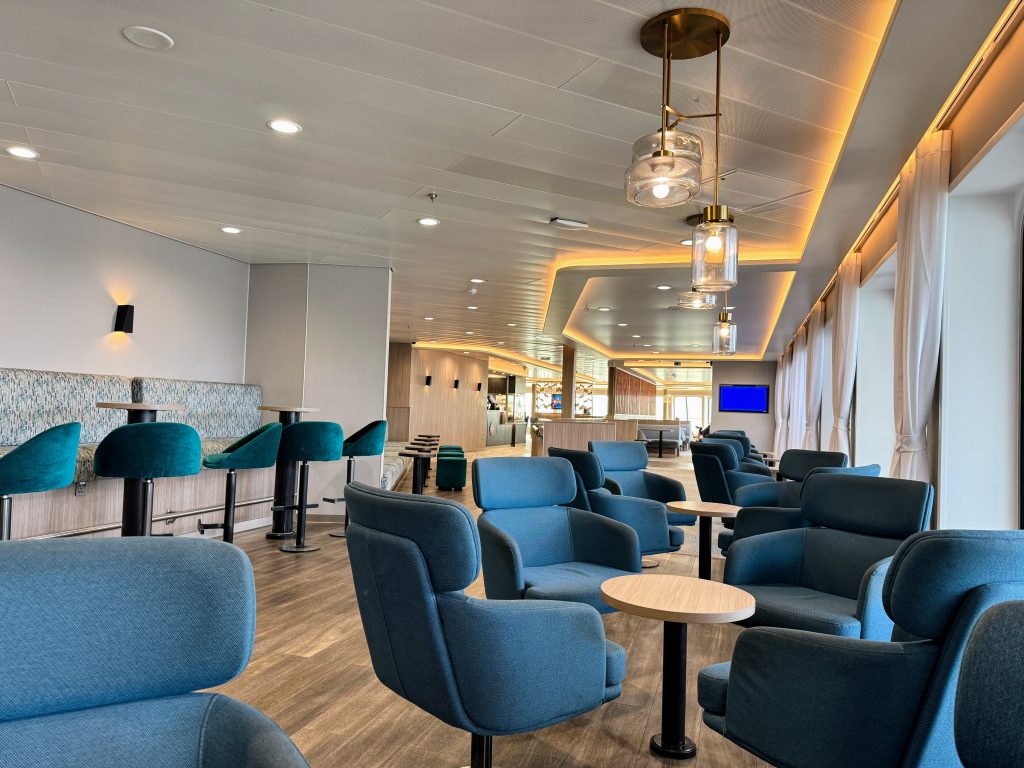
As well as the food outlets, shops and toilet facilities available before you board, the ferries are also comfortable and well-equipped, making the journey relaxing and enjoyable. With cafés and restaurants (serving hot meals, snacks and drinks) there are plenty of options if you want to avoid a picnic with your early start. However, prices can be high so bringing your own food will save you money – we usually prepare our food the night before we travel (or grab some meal deals) so that we can just grab it from the fridge. For families, there are children’s play areas on most ferries, and if you want to stretch your legs you can step outside onto the deck areas to enjoy the fresh sea air and views which are lovely on a sunny day. There’s plenty of lounge seating, as well as areas with tables, throughout the ship and outside.
Final thoughts – and money saving tips!
The Dover to Calais ferry is a great option for a budget-friendly way to travel from the UK to France – just check out the Direct Ferries website to compare costs between the ferry providers to get the cheapest price. Travelling via ferry is cheaper than the Eurotunnel, it allows you to stretch your legs and gives you time to enjoy the journey. While it does take a little longer than the tunnel, the savings and overall experience make it a great choice if you don’t need to travel in the speediest way possible! If you’re booking your holiday in Europe through a provider like Eurocamp you can also book your ferry travel at a discounted rate through them (other companies may also run similar offers) so check what’s available when you book your getaway. Or, use your Tesco Clubcard Rewards vouchers to travel for free.
If you’re looking for some family-friendly accommodation without a long drive from Calais, then make sure you check out my article: The 10 best Eurocamp holidays closest to Calais for fantastic places to stay with the kids. These holiday parks are all no more than a 5 hour drive from Calais – with the closest being around 2.5 hours away – so you can start your holiday in no time! I’ve picked out 10 brilliant resorts within the Netherlands, Germany, France and Luxembourg– so you’ve got lots of destination options too!

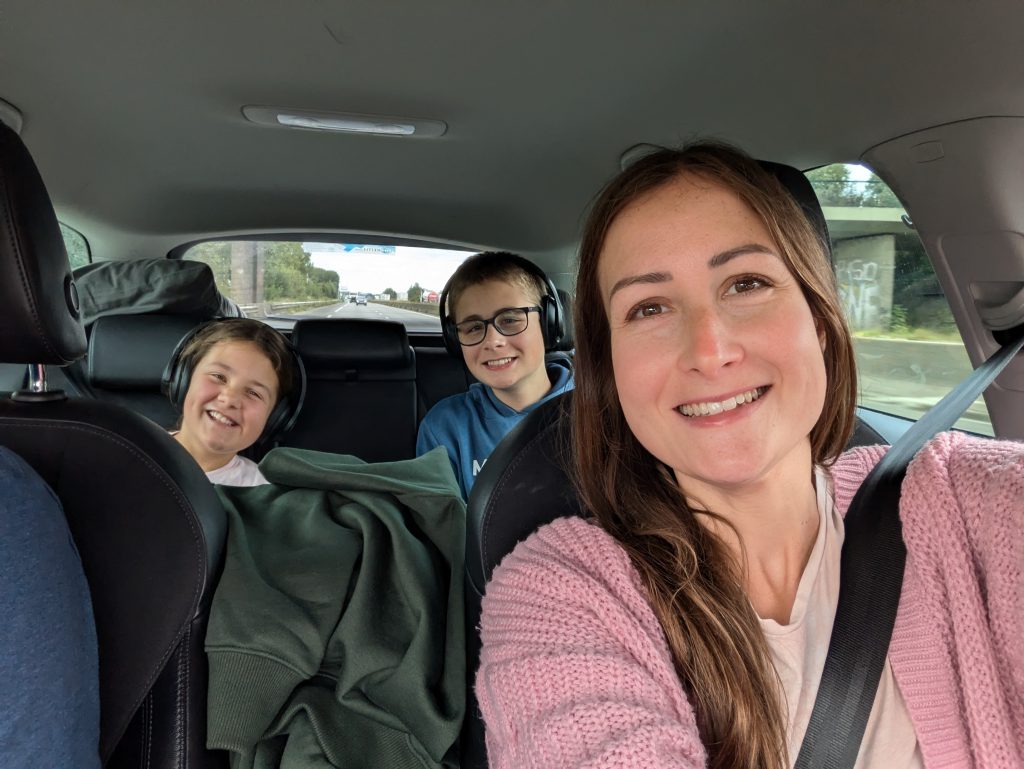
For those planning a road trip, the flexibility of taking your car makes the ferry a top pick – you don’t need to worry about airport parking or luggage allowances, and you don’t have the long wait that can come with flights too. Road trips can make travelling with kids really enjoyable and affordable – it’s my favourite way to travel – if you’re a road trip newbie, check out this article to get started: How to road trip on a budget around Europe – the ultimate family guide! Have a great trip. 😊

Other articles you might enjoy…
The 10 best holiday parks in the Netherlands for kids
Our 3 week Italian Eurocamp Family Road Trip Itinerary: How to visit Italy with kids on a budget

The 12 best Eurocamp family holidays in France for kids

Budget Family Holiday Tips: How to travel in Europe cheaply with kids

Our Eurocamp Interlaken Family Holiday Guide: How to visit Switzerland on a budget with kids

This post may contain affiliate links – I may earn a small commission at no additional cost to you.
Found this article useful?


 Natalie Smith